

 English
 Nederlands
 Français
 Deutsch
 Italiano
 Русский
 Español


IN THE MARKET FOR A 1929 BENTLEY 3 LITRE?
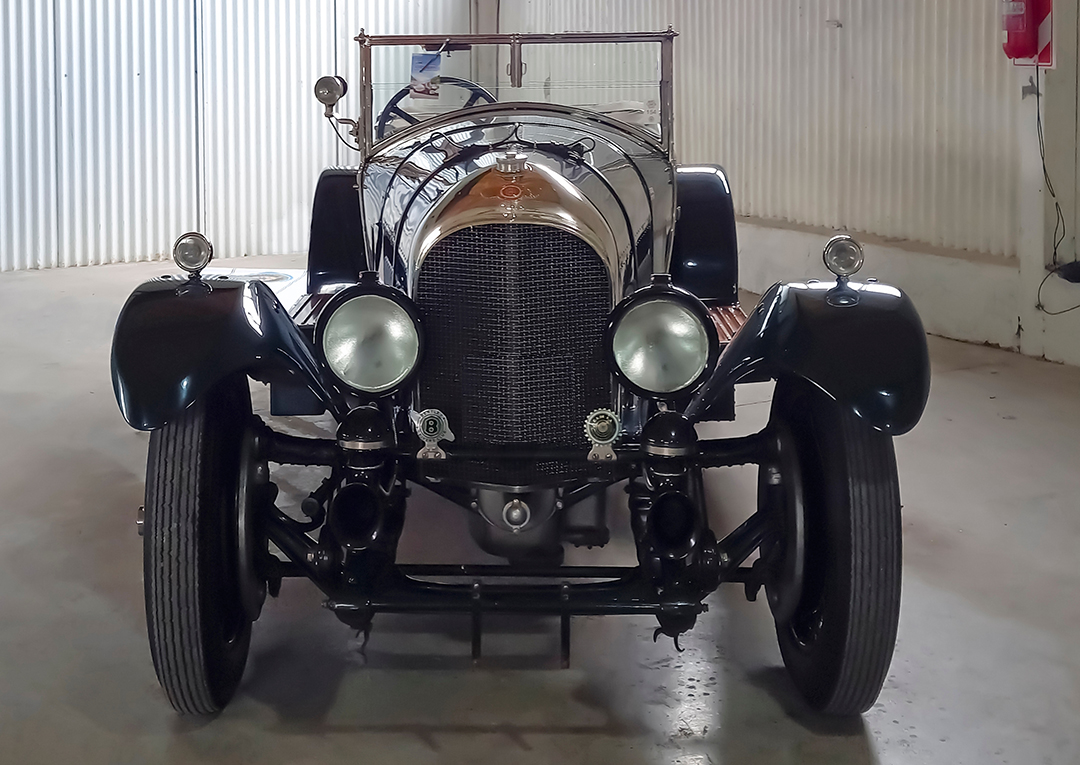
If the phrase “vintage British thoroughbred” conjures up a long-bonnet tourer howling down the Mulsanne in the hands of leather-helmeted heroes, you’re thinking of the Bentley 3 Litre. And if you’re considering buying or selling one—especially a 1929, the model’s final year—let’s talk!
Beverly Hills Car Club is a leading classic car dealership with 500+ vehicles in inventory, 1,000+ acquisitions annually, and a reputation for buying nationwide, any condition, with immediate payment and pickup. This guide blends model history with practical market insight so collectors and project-car enthusiasts alike can move quickly and confidently.
Call Beverly Hills Car Club: 888-848-4771
Why the 1929 Model Year Matters
The 3 Litre is the car that put W.O. Bentley on the map. Introduced to customers in 1921 and built through 1929, it established the marque’s blend of rugged engineering and endurance-racing pedigree. That “1929” on a chassis plate means last-year-of-production, which collectors often prize for incremental refinements and for bookending a celebrated run.
Beyond the dates and the romance, the 3 Litre made Bentley a Le Mans legend: it won the 24 Hours of Le Mans in 1924 and again in 1927, the latter after the notorious White House crash wiped out much of the field. Those victories minted the “Bentley Boys” mythos and hardwired motorsport credibility into every 3 Litre that followed.
The Engineering That Defines a 3 Litre
W.O. Bentley prioritized torque, reliability, and stamina, and the specs still read like a manifesto:
- Engine: 2,996 cc inline-four, single overhead cam with four valves per cylinder, twin-spark ignition, dry-sump lubrication, and twin SU “Sloper” carburetors
- Transmission: 4-speed manual
- Chassis: pressed-steel ladder frame
- Performance (Speed model): about 80 bhp @ 3,500 rpm, roughly 90 mph potential in period
This architecture—particularly the 16-valve SOHC head, bevel-gear cam drive, and twin-spark—was advanced for the early 1920s and directly linked to endurance results.
Wheelbases & Badges: Blue, Red, Green
You’ll see references to Blue Label (standard), Red Label (Speed), and Green Label (Super Sports/100 mph). Chassis lengths varied: 9 ft 9.5 in (short) and 10 ft 10 in (long), with the Speed model using the shorter frame for sharper responses. In period, four-wheel Perrot-type brakes arrive from 1924 onward, a worthwhile note for authenticity and driving confidence.
Coachwork: Vanden Plas & Friends
Bentley delivered a rolling chassis; coachbuilders supplied the body. While names like Mulliner, Gurney Nutting, and Harrison appear, Vanden Plas open tourers are both iconic and frequently encountered—especially on sporting cars and competition-inspired builds.
Production & Rarity
It’s a properly scarce car. Bentley Motors cites 1,622 3 Litre examples built across 1921–1929.

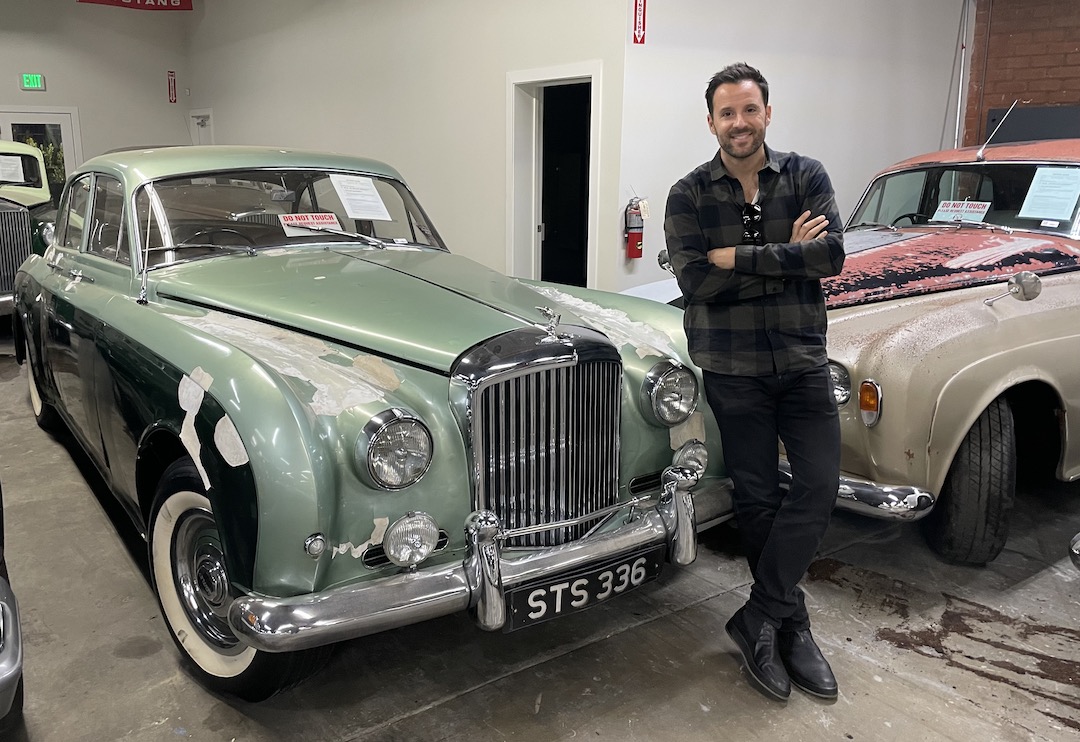
What Makes a 1929 3 Litre Special to Drive?
Even in “standard” tune, the 3 Litre feels muscular and mechanically honest. The long-stroke four summons torque from idle; the steering has weight and texture; the brakes demand anticipation (particularly on earlier cars); and the whole machine encourages a measured but brisk rhythm. A well-set-up Red Label Speed on the short chassis is a revelation on open roads: big-flywheel torque, long gears, and a chassis that talks back.
For buyers stepping up from post-war classics, remember: this is pre-war motoring. Expect floor-hinged pedals, a right-hand gear change on many cars, and a high scuttle. That’s the charm, and it’s why these cars still headline tours, rallies, and concours field lines.
Authenticity Checks: What Experienced Eyes Look For
- Chassis, Engine, and Body Numbers
Matching-numbers cars carry a premium; period re-bodies with documented history can be excellent drivers and often the preferred setup for tours and rallies. - Correct Major Components
Carburetors, magnetos, dynamo, front axle, gearbox casting numbers—subtle details matter. Period upgrades (e.g., four-wheel brakes on earlier chassis) should be documented. - Coachwork Provenance
Vanden Plas tourer? Mulliner saloon converted to tourer decades ago? Neither is a deal-breaker; it simply guides desirability and buyer use-case. - Period Competition or Notable Ownership
A logbook full of Mille Miglia, Colorado Grand, or Le Mans Classic entries can elevate a car’s profile. - Running vs. Project
From cars that “ran when parked” to fully recommissioned tourers, we evaluate as-is, transparently.
Seller’s Corner: Why Sell Your 1929 Bentley 3 Litre to Beverly Hills Car Club?
If you’ve Googled “sell my classic car”, “who buys classic cars”, or “classic car dealership near me”, you’re probably weighing speed, certainty, and discretion against the time sink and risk of the auction circuit. Here’s our offer in plain English:
- Immediate Offers from Photos: Text or email a few clear pictures plus basic ownership details and we can make a firm offer fast—no long forms, no runaround.
- Any Condition, Anywhere: We buy non-runners, barn finds, field-parked projects, and restored examples alike—from all 50 states (continental U.S. + Hawaii). We schedule pickup promptly, so you’re not stuck arranging transport.
- Top Dollar & Immediate Payment: We’re market-active, acquiring 1,000+ classics a year with no hidden fees. We pay immediately, and the truck shows up when we say it will.
- Auction Alternative: Skip consignment delays, transport to the venue, seller’s fees, and the uncertainty of a reserve. If you value speed and certainty, we’re aligned.
Buyer’s Corner: Why Buy a 3 Litre from Beverly Hills Car Club?
- Inventory & Reach: With 500+ vehicles on site and worldwide shipping, our showroom rotates everything from project cars starting around $5,000 to blue-chip classics cresting the seven-figure mark. (That’s our overall range, not a price indication for any single 3 Litre.)
- Condition Transparency: We document each car’s strengths and to-do list so you can choose between turn-key tourers, older restorations, or projects you’ll steward yourself.
- Era Expertise: Whether your lane is 1920s/1930s sports cars, 1950s coachbuilt GTs, or 1980s/1990s collectibles, our specialists speak your language.
- Concierge Support: Title transfer, shipping quotes, and introductions to trusted pre-war specialists—we’ll connect the dots.

1929 Bentley 3 Litre: Variants & What They Mean for You
Blue Label (Standard)
Longer wheelbase comfort, often with saloon or tourer coachwork. Great for touring events at a relaxed pace and for collectors who love originality.
Red Label (Speed)
Short-wheelbase chassis with higher compression; more eager on back roads and often bodied by Vanden Plas in open four-seat tourer style. If you want the quintessential “Bentley Boys” vibe, you’ll likely end up here.
Green Label (Super Sports, “100 mph”)
The ultimate, produced in very small numbers. If your plans include top-tier events and you’re ready for a deep research/inspection dive, we’re happy to advise.
Quick Historical Fact Sheet (for your files)
- Production: Customer deliveries 1921–1929; 1929 final year.
- Engine: 2,996 cc SOHC inline-4; 16 valves, twin-spark, dry-sump; twin SU.
- Wheelbase: 9′ 9.5″ (short) and 10′ 10″ (long), model-dependent.
- Brakes: Rear only initially; four-wheel Perrot-type from 1924.
- Le Mans: Wins in 1924 and 1927 (3 Litre), foundational to the Bentley legend.
- Production total: 1,622 (factory figure).
Paperwork & Provenance
- Factory records / build sheets where available
- Coachbuilder documentation and any period photos
- Older registration books, logbooks, membership stickers (VSCC, BDC)
- Restoration invoices from recognized pre-war shops
- Event eligibility proof (Mille Miglia, Le Mans Classic, Goodwood, etc.)
These materials don’t just “pad a binder”—they protect value and open doors to events.
How to Sell Your 1929 Bentley 3 Litre to Us in 3 Steps
- Send Photos & Basics
A few clear shots—exterior, interior, engine bay, chassis stamping, odometer—and any paperwork. - Get a Fast, Fair Offer
Our classic car market experts can evaluate remotely at current market levels. - We Pay & Pick Up
Immediate payment, no hidden fees, and nationwide pickup, including non-running or stored-for-decades cars.
Prefer to test the waters first? We can provide an honest condition review and talk through quick sale vs. auction tradeoffs for your particular car and timeline.
Ready to Talk?
Whether you’re chasing a Red Label Speed tourer for long-distance rallies or parting with a family-owned 1929 saloon that’s been asleep in the barn, Beverly Hills Car Club is the classic car dealership built for both quick, no-drama sales and globally sourced purchases. Call or email us—let’s make a plan that works for you.
FAQs
Do you buy non-running or partially disassembled 3 Litres?
Yes. From complete barn finds to dismantled projects, we’ll evaluate quickly and arrange pickup.
Will you buy based only on photos and a short call?
Yes—that’s our specialty. Share a handful of good photos and basic history, and we’ll move swiftly.
Can you help if I’ve inherited a 3 Litre and don’t know where to start?
Absolutely. We’ll help you locate numbers, photograph the right areas, and estimate the car’s market potential based on condition, provenance, and comparable sales.
Do you handle shipping if I’m buying?
Yes. We coordinate domestic and international transport with trusted carriers.

Beverly Hills Car Club
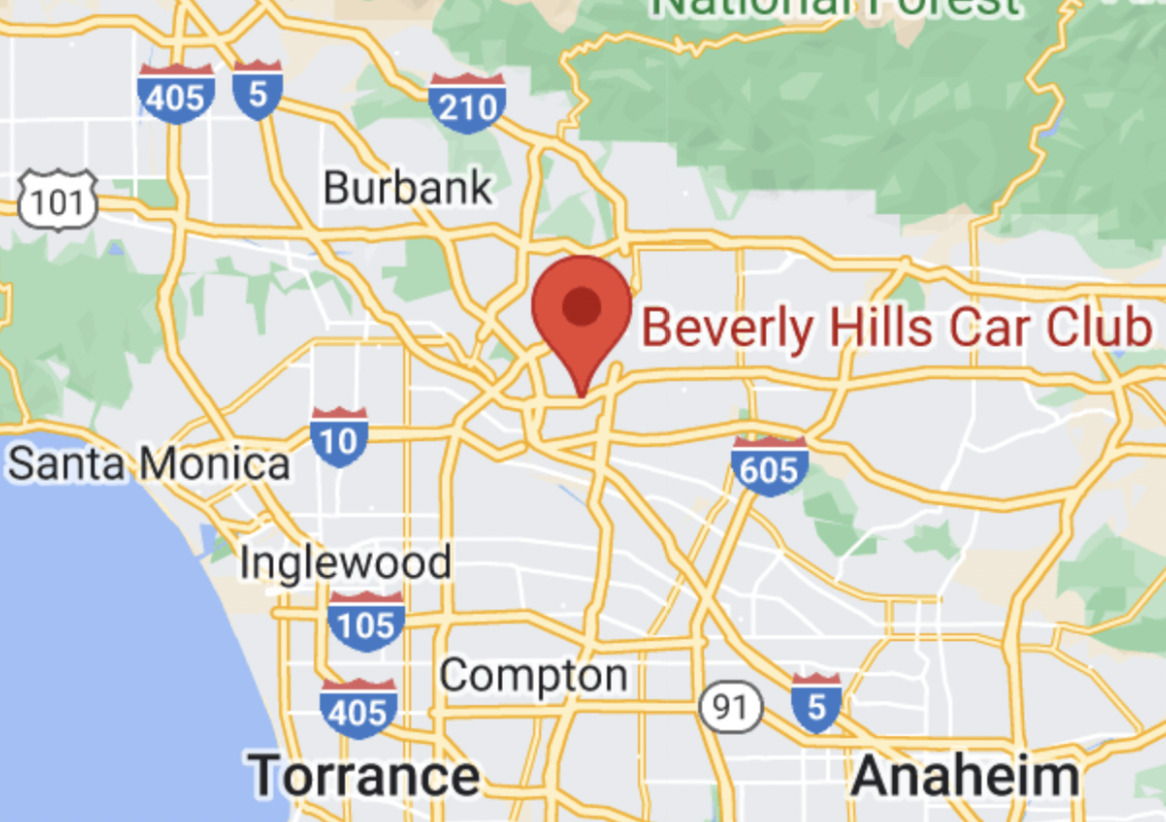
Next Steps?
Call Now
Or email via our website and we’ll go over all you need to know to sell your classic!
Send Photos
Just send a few photos, this is often all we need to make an offer.
Get Paid!
You get you paid, and then we’ll pick up the vehicle – IT’S THAT SIMPLE!

Get Started!
Welcome!
join our inventory newsletter
Sign-up for our e-mail alerts
join our newsletter
Sign-up for our e-mail alerts
Learn More
or
we buy classic cars
Looking to sell yours?
Contact us
Sell us your car
Pick up from any USA location - Any condition - Top $$$ Paid


Chat With Us!