 English
 Nederlands
 Français
 Deutsch
 Italiano
 Русский
 Español


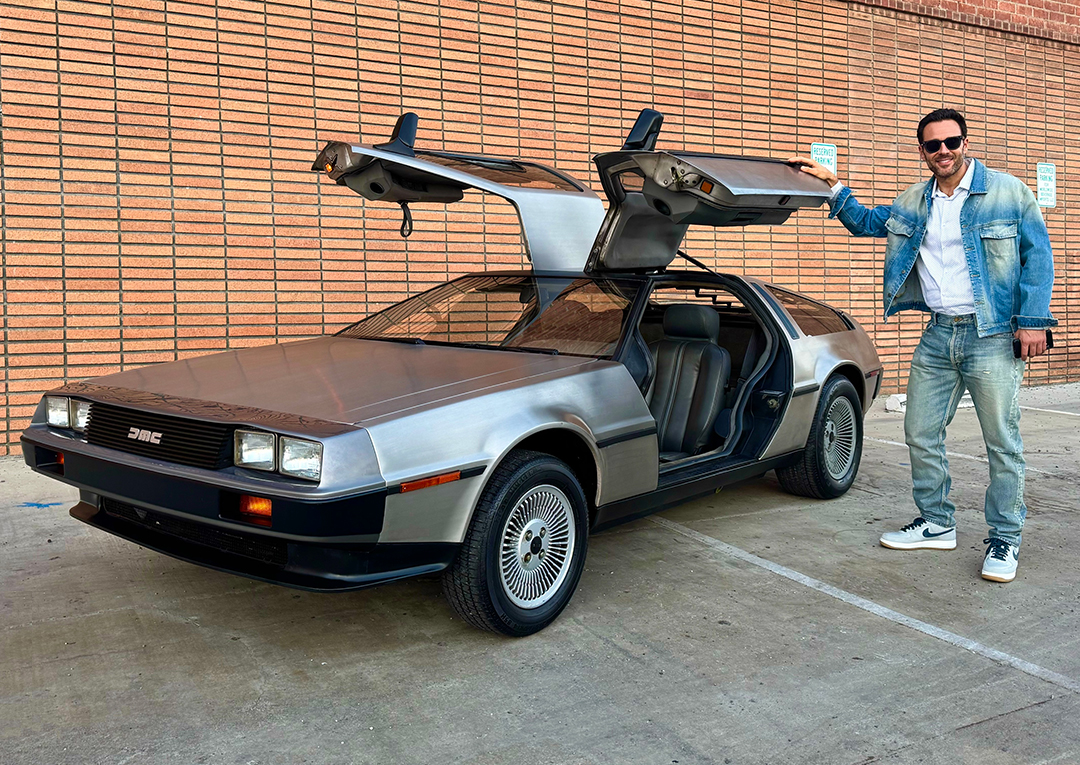
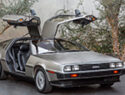
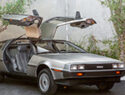
The 1981 DeLorean DMC-12 arrived as one of the most talked-about cars in recent automotive history—and it has never stopped being talked about. Brushed stainless steel panels, gullwing doors, a Giugiaro silhouette that looked like nothing else on the road: the DMC-12 was a genuinely original proposition in a market that rarely produces them. Your 1981 is the first-year car, the founding example, the one that introduced the world to John DeLorean’s improbable vision made physical in a factory in Northern Ireland.
1981 DELOREAN DMC-12, SELLING YOUR CLASSIC CAR
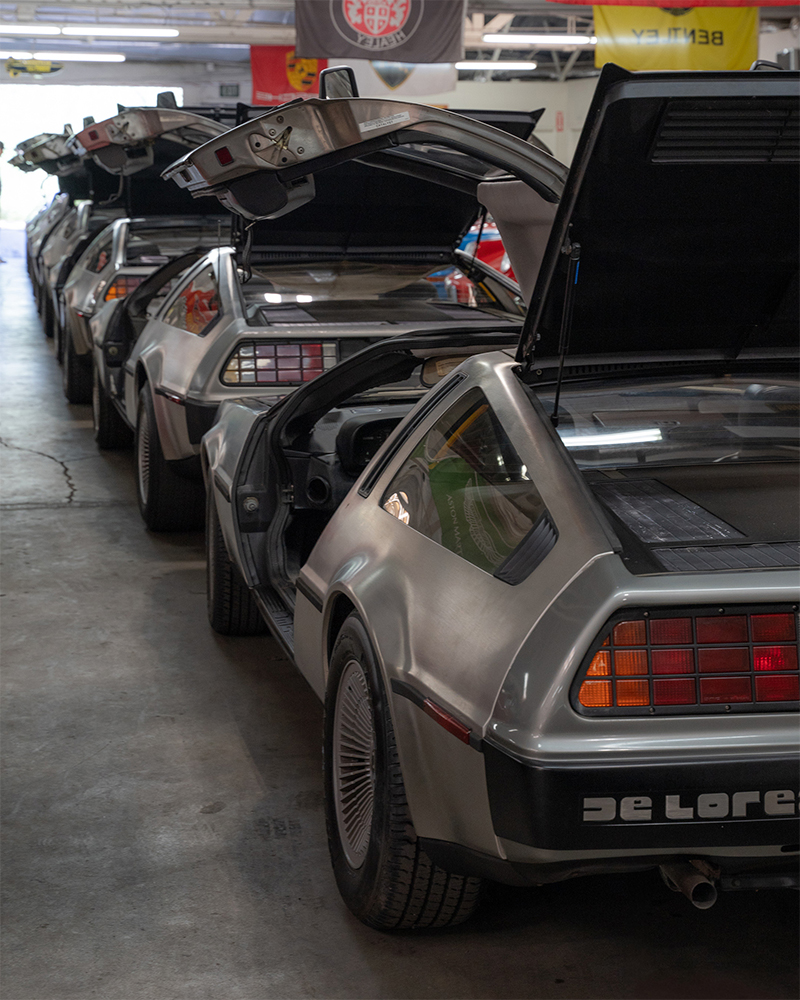
The cultural weight this car carries has only grown. Whatever you think of its performance numbers or its turbulent history, the 1981 DMC-12 occupies a place in American automotive memory that no amount of passage of time seems to diminish.
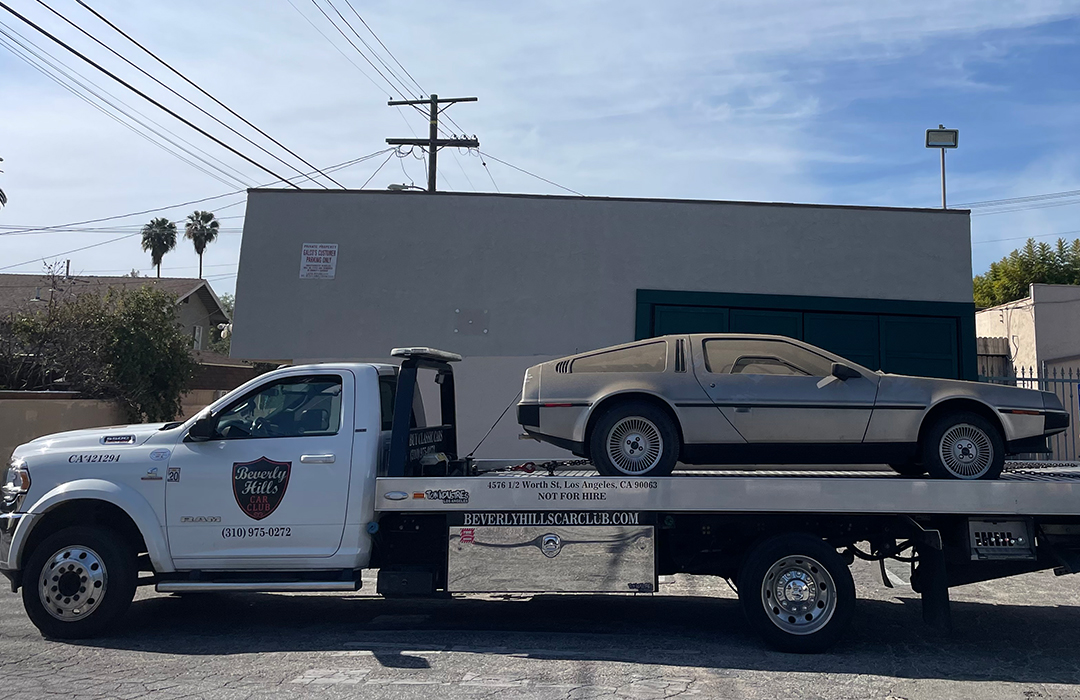
If you’re considering selling, you’re holding something the market genuinely wants—and you deserve a transaction that reflects that reality. Beverly Hills Car Club buys DeLoreans directly. No consignment uncertainty, no auction reserve outcomes to gamble on, no months spent coordinating with private buyers who lose interest or fail to secure financing. If an offer is made and agreed to, we provide immediate payment and manage all the logistics—paperwork, title transfer, pickup coordination, and whatever complications your specific situation presents.
Call Beverly Hills Car Club: 310-975-0272
A Direct Path, Without the Complications
Beverly Hills Car Club has been acquiring significant classics since 2004, operating out of Los Angeles and working nationwide across 48 continental states and Hawaii. Over those two decades, we’ve purchased thousands of cars across virtually every make, model, and condition level—running drivers, unfinished restorations, estate discoveries, storage extractions, and cars with title complications spanning multiple states.
DeLoreans require someone who understands the platform specifically. The stainless body creates persistent misconceptions about overall condition. The PRV V6 has a reputation that casual buyers apply imprecisely. We’ve evaluated enough DMC-12s—first-year cars in particular—to assess them accurately, which produces offers that reflect actual condition rather than uninformed assumptions in either direction.
What we won’t do: submit lowball offers built on manufactured concerns, renegotiate after an agreement has been reached, or string a seller along with conditional interest that never converts. If we’re making an offer, we want the car at that number. If we’re passing, we’ll say so directly and explain our reasoning.
The First-Year Car: What Makes 1981 Significant
The 1981 DMC-12 is the introductory model—the car that opened the production run at the Dunmurry factory and introduced the format that would carry through 1982 and into the abbreviated 1983 model year before the company’s collapse.
Early production specifics: The earliest VIN sequences from 1981 represent the factory’s first full-scale production efforts, and they carry the characteristics—and occasionally the inconsistencies—of first-year manufacturing. Assembly quality varied across the production run as the workforce gained experience, and early cars sometimes reflect that learning curve in fit, finish, and minor mechanical details. For collectors focused on production chronology, a documented early VIN carries its own significance.
The PRV V6: The 2.85-liter Peugeot-Renault-Volvo V6 that powered the DMC-12 was a shared development sourced from an unlikely consortium, and its modest output—130 horsepower—made the car no performance benchmark by contemporary standards. What it provided was a reasonably accessible and, when properly maintained, durable powerplant. A well-kept PRV runs reliably. A neglected one announces itself through oil consumption, cooling issues, and rough idle. The engine’s reputation among uninformed buyers tends to be more negative than the engineering warrants; among specialists, it’s evaluated on actual condition rather than mythology.
Manual versus automatic: First-year cars came with either a five-speed Renault manual or a three-speed automatic sourced from Turbo-Hydramatic. The manual is the driver’s configuration; the automatic suits collectors more oriented toward display and occasional use. Both transmissions appear regularly in the 1981 production run, and the market treats them comparably, with a modest preference for the manual in enthusiast segments.
The stainless body panels: The outer skin is 18-gauge brushed stainless steel bonded to fiberglass underpanels. The stainless does not rust. This is the fact most visible to casual observers, and it creates a persistent misunderstanding: a clean exterior tells you nothing about the condition of the epoxy-coated steel chassis underneath. Frame corrosion on a DeLorean develops invisibly for years beneath that perpetually presentable surface. It is the single most consequential technical factor in any DMC-12 assessment, and 1981 cars—now more than four decades old—require honest evaluation of what’s happening below the skin.
What Determines Value in the 1981 Market
Original, unmodified configuration commands meaningful premiums over cars that have drifted from factory specification. The period-customization culture of the early 1980s produced a generation of DeLoreans with non-factory stereo installations, interior modifications, aftermarket wheels, and various performance attempts. The collector market has moved consistently toward rewarding originality—correct factory trim, unmodified mechanicals, and documented configuration aligned to build records.
Documentation is a significant value driver. Original window sticker, owner’s manuals, dealer service records, and a continuous ownership chain from new carry real weight in how the market responds to a car. A well-documented 1981 with traceable history commands a meaningful premium over a comparable car with gaps in provenance.
Matching-numbers configuration—original engine and transmission matched to the chassis with documentation—matters to serious collectors. Replacement components, even superior ones, introduce uncertainty that the market prices accordingly.
Conditions That Affect Transactions
The chassis corrosion reality. Because the stainless body panels retain their appearance indefinitely, DeLorean frame corrosion can develop for years without any external indication. The epoxy coating on the steel chassis degrades over time, particularly in humid storage environments and climates where moisture accumulates against the understructure. Surface corrosion and pitting are manageable and factor into pricing incrementally. Structural corrosion requiring professional chassis work is a more expensive proposition—frame restoration can become a significant cost when corrosion has progressed into load-bearing sections. We assess chassis condition from photographs and honest description, building our evaluation around actual condition rather than treating structural issues as automatic disqualifiers.
Mechanical condition and the PRV’s service history. An engine rebuild on the PRV V6 through an experienced specialist is an expensive undertaking. Transmission work is similarly costly when required. We distinguish between cars needing routine attention, cars requiring mechanical restoration, and cars with fundamental issues—and evaluate each honestly. A car with documented, recent mechanical work is valued appropriately; a car with deferred maintenance gets honest assessment rather than rejection.
Gullwing door mechanisms. The door system is what makes the DMC-12 immediately recognizable, and it’s also the system most likely to have developed issues across four decades. Struts, hinge mechanisms, and weatherstripping all degrade with age and use. Door mechanisms that require effort to operate or no longer seal correctly are noted and factored into assessment. Properly functioning doors are part of a complete, correct car.
Electrical systems. The DMC-12’s wiring is now more than 40 years old. Window lift mechanisms, instrument clusters, and various ancillary systems develop characteristic issues over time that range from minor inconveniences to meaningful repair requirements. We evaluate electrical condition as part of overall assessment rather than treating it as a separate category of concern.
Modifications. Owners added aftermarket stereos, modified interiors, substituted wheels, and in some cases pursued performance upgrades. Well-executed period modifications with documentation of the original components preserved affect value differently than irreversible changes or poorly executed alterations. We look at each car’s specific situation rather than applying blanket discounts to anything that departed from factory specification.
Incomplete and project cars. DeLoreans in various states of disassembly or incomplete restoration come to market regularly. A car with a documented restoration in progress, components present and catalogued, and a clear path to completion represents a different proposition than a car with missing components and an unclear history. We buy projects when the car has genuine potential—and we’re direct when it doesn’t.
Estate and storage situations. DeLoreans purchased new in 1981 were bought by owners who are now well into their senior years. Estate sales involving these cars are common, and executors frequently have no knowledge of the platform, the market, or the complications that can arise in transferring title on a vehicle with inconsistent registration history. We work with estates and attorneys regularly, understand probate requirements, and adapt to whatever timeline the settlement process requires—whether that’s a week or several months. Storage liens, missing titles, and cross-state registration complications are situations we navigate routinely.
Understanding the Selling Landscape
Auction consignment offers exposure to a competitive bidding environment, and a well-documented, original-condition 1981 DMC-12 can achieve strong results at the right venue. The ceiling under optimal circumstances is real.
So are the costs. Seller’s premiums typically run 10% of the hammer price, with higher-value cars sometimes reaching 12–15%. Transport to the auction facility adds expense. Consignment periods typically run two to four months. If bidding fails to clear reserve, you’ve committed time and real money with no transaction to show for it. The gap between what the auction result looks like on paper and what actually deposits into your account after fees is often surprising to sellers who haven’t worked through the math in advance.
Private listing through enthusiast forums and specialist communities can connect you with motivated buyers who know the platform. The DeLorean community is tight enough that a well-priced, honestly described car reaches serious buyers through dedicated channels. The time investment is also real—fielding inquiries from non-buyers, managing showings, navigating contingencies, and working with buyers who may struggle to secure financing on a 40-year-old specialty vehicle can stretch a private sale across months of active effort.
Direct sale to Beverly Hills Car Club trades maximum theoretical upside for certainty and speed. If an offer is made and agreed to, you receive a clear number based on current market data and your car’s condition. Payment processes immediately. The transaction completes in days rather than months.
How to Move Forward
What we need to evaluate your 1981 DMC-12: clear photographs taken in good light—exterior from all angles, interior condition, engine bay, and whatever is accessible of the undercarriage and chassis. If there are known issues, rust areas, or mechanical concerns, photograph those directly. Honest documentation of problems leads to honest offers; conditions discovered later don’t revise an agreed number.
Provide your VIN and current registration status, along with whatever ownership context you’re comfortable sharing: how long the car has been in your possession, how it’s been stored and used, what mechanical work has been completed, what issues you’re aware of, and whatever documentation exists.
After we receive the information, we review materials and respond within 24–48 hours—often sooner. If we’re making an offer, it’s a specific figure with clear reasoning behind it. Not a range. Not contingent on a subsequent in-person inspection. If an offer is made and agreed to, payment processes the same day or next business day. We coordinate pickup around your schedule. Paperwork handles remotely or in person as you prefer. From agreement to completed transaction typically runs five to seven days, sometimes less when circumstances call for it.
The 1981 DMC-12 is not simply a used car. It’s the founding example of one of the most singular production runs in American automotive history—a car that arrived against improbable odds, lasted only three model years, and has been culturally significant every year since. That decision deserves a transaction handled with professionalism and care. When you’re ready, Beverly Hills Car Club is here to make the mechanics of that transition as straightforward as they should be.
Let’s Talk About Your 1981 DeLorean!
When you’re ready to sell, The Beverly Hills Car Club wants your business! We pride ourselves on no-hassle service, top prices paid, and immediate payment and pick-up. And be sure to browse the Cars We Love category to explore detailed articles, photographs, and Buyer’s Tips.
Email [email protected]
The DeLorean DMC-12 Series
Why Choose Beverly Hills Car Club?
Beverly Hills Car Club has been a trusted name in classic car buying since 2004. We offer fair market valuations, immediate payment, and free nationwide pickup. Whether your 1981 DeLorean is a pristine survivor or a project in progress, we have the expertise to assess it accurately and make a genuine offer. No hidden fees, no manufactured delays—just a clean, professional transaction on your timeline.
Ryan M.
1981 DeLorean DMC-12
January 15, 2025
“Answered my questions and followed up without being pushy.”
Chilly D.
1981 DeLorean
November 6, 2024
“First, I will say that I will miss my 1981 Delorean. No doubt! A lot of great memories, but I am pushing up in age (60+) and I cannot find a family member to take ownership. Therefore, I reached out to Alex Manos. He responded quickly and professional and we made a financial/contractural deal. Literally 5 minutes or less. The price was fair and reasonable. The seller-buyer process was efficient, straight forward and easy. Not only Alex, but his two assistants were very kind and helpful. I would strongly recommend, if you have a classic foreign car to be sold, contact Alex Manos. I will say, although I do sincerely miss the Delorean, I feel good that Alex is the new owner and will improve and take care of the Delorean, opposed to having the Delorean sit someone in a bone yard. My experience will Alex Manos was excellent!”
Brian B.
1981 DeLorean DMC-12
August 30, 2024
“Jesse is the man. Super personable and made me feel right at home even though this is Mt first experience at a place that isn’t car max. Thanks Jesse!!”
Maria K.
1982 DeLorean DMC-12
August 21, 2024
“Alex made the process of selling my father’s Delorean incredibly easy. Alex and his team took care of most of the details and I was paid immediately. It was a pleasure working with Alex and his team and I would recommend him to anyone wanting to sell a classic car.”
Terence D.
1981 DeLorean DMC-12
April 18, 2024
“It was a pleasure to deal with Alex he made it a very enjoyable experience.”

Next Steps?
Call Now
Or email via our website and we’ll go over all you need to know to sell your classic!
Send Photos
Just send a few photos, this is often all we need to make an offer.
Get Paid!
You get paid, and then we’ll pick up the vehicle – IT’S THAT SIMPLE!

Get Started!
Welcome!
join our inventory newsletter
Sign-up for our e-mail alerts
join our newsletter
Sign-up for our e-mail alerts
Learn More
or
we buy classic cars
Looking to sell yours?
Contact us
Sell us your car
Pick up from any USA location - Any condition - Top $$$ Paid


Chat With Us!