 English
 Nederlands
 Français
 Deutsch
 Italiano
 Русский
 Español

No other year in the DeLorean production story carries the weight of 1983. The Dunmurry factory had been placed into receivership in October 1982, following John DeLorean’s arrest and the collapse of investor confidence that had kept the enterprise alive. Production continued into early 1983 under the receiver’s oversight—a final, abbreviated run of cars assembled by a workforce that knew the end was coming. When the line stopped, it stopped permanently.

Search Inventory
 0
0
1983 DELOREAN DMC-12, SELLING YOUR CLASSIC CAR
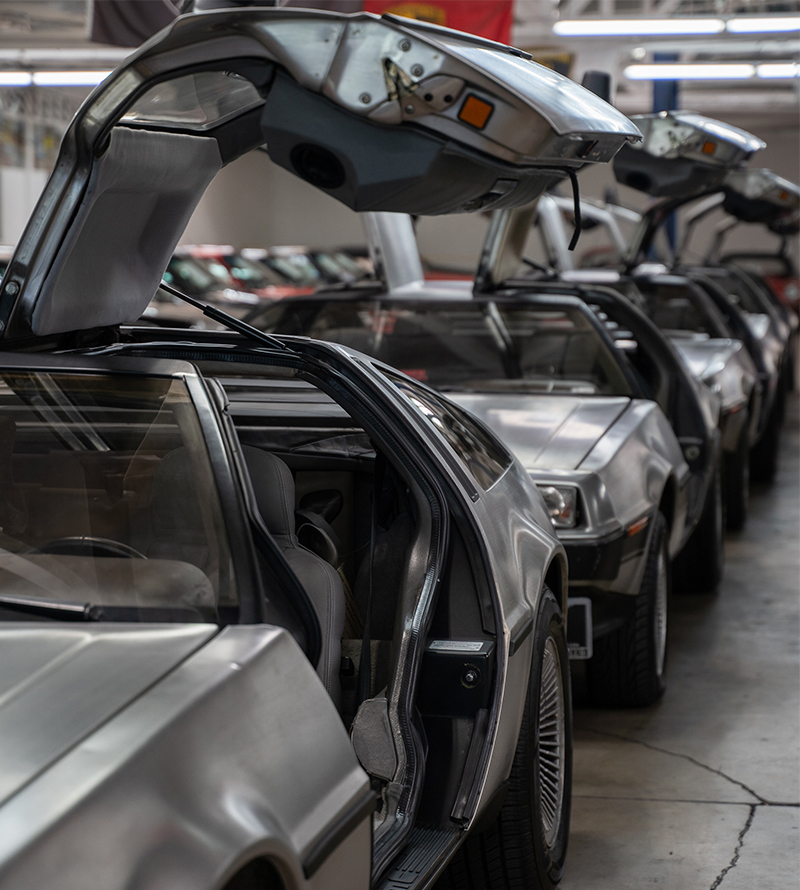
What emerged from those final months was the rarest expression of the DMC-12. Estimates place genuine 1983 production at somewhere between 1,000 and 2,500 cars depending on how completion and delivery dates are interpreted—a fraction of the 1981 and 1982 volumes. You own one of the last. The market treats that fact accordingly, and so do we.
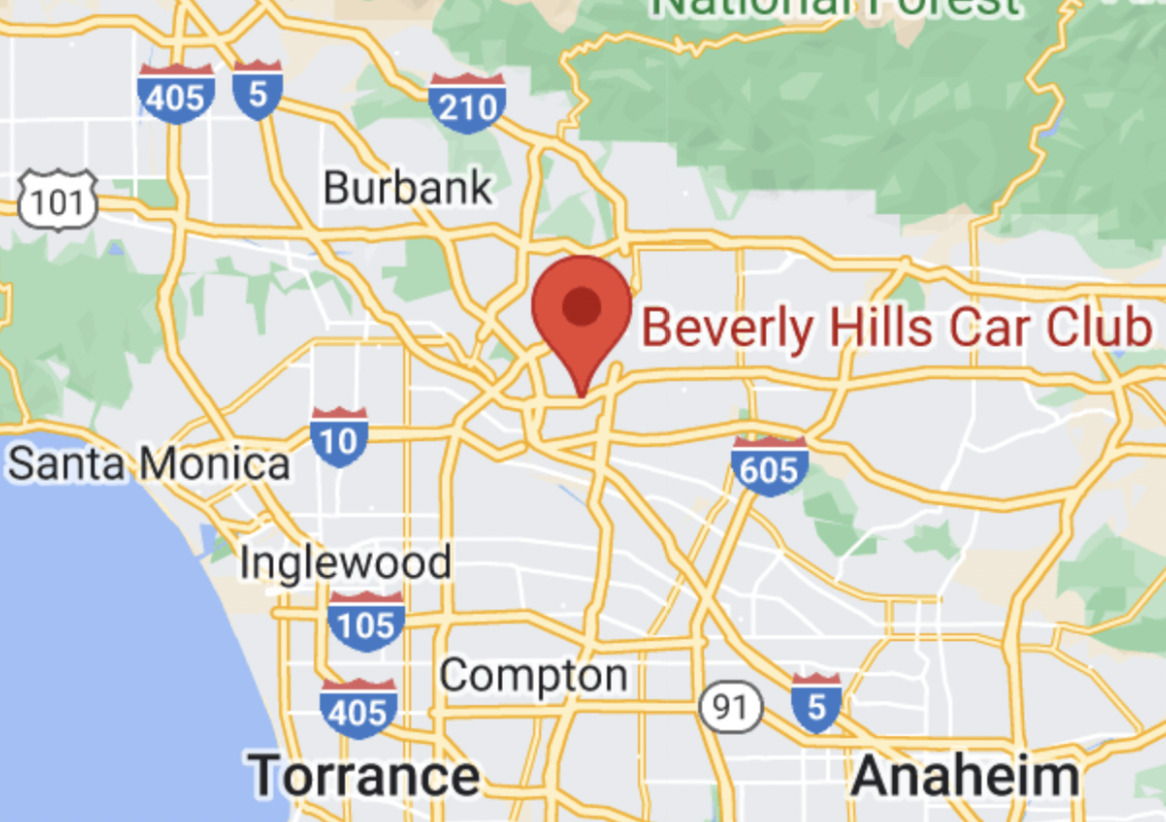
Beverly Hills Car Club buys DeLoreans directly—including, and especially, final-year cars where rarity adds a dimension that general buyers often misread in either direction. No consignment uncertainty, no auction reserve outcomes to gamble on, no extended private sale coordination that stretches across months without resolution. If an offer is made and agreed to, we provide immediate payment and handle all logistics—paperwork, title transfer, pickup coordination, and whatever the ownership situation requires.
Call Beverly Hills Car Club: 310-975-0272
The Experience Behind the Offer
Beverly Hills Car Club has been acquiring significant classics since 2004, based in Los Angeles and operating nationwide across 48 continental states and Hawaii. Over two decades, our team has purchased thousands of cars across every make, model, and condition category—running drivers, long-term projects, estate discoveries, storage extractions, and cars carrying title complications that stop most buyers before they start.
DeLoreans require specific knowledge to assess accurately, and final-year cars require additional context that general classic car buyers rarely bring. The stainless exterior creates persistent misreadings of overall condition. The PRV V6’s reputation is applied imprecisely by buyers without direct platform experience. Production volume questions for 1983 cars are frequently misunderstood, affecting how rarity gets priced. We’ve worked through enough DMC-12 transactions—across all three production years—to evaluate each car on accurate information rather than assumption.
What we don’t do: submit offers built on manufactured concerns, renegotiate after agreement, or sustain conditional interest that never reaches a transaction. If we’re making an offer, we want the car at that number. If we’re not, we say so directly and explain why.
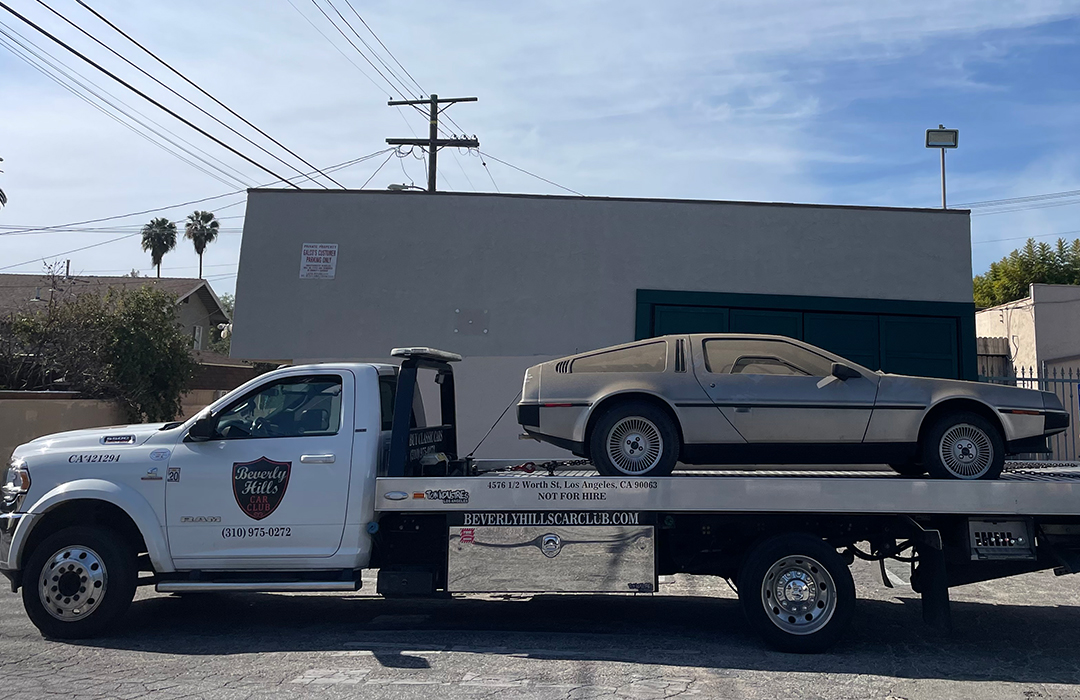
The Final Year: What the 1983 Car Actually Represents
The 1983 DMC-12 is not simply a 1982 car with a different model year designation. It exists in a specific historical context that shapes both its character and its market position.
Receivership production and what it means. When the receiver took control of DeLorean Motor Company in late 1982, production didn’t stop immediately. Cars in various stages of completion were finished and delivered into 1983, and a final production run was assembled under receiver oversight before the factory closed permanently. The cars that emerged from this period were built by an experienced workforce—arguably the most experienced the factory ever had—under circumstances that created unusual attention to completing inventory correctly. Quality on late receivership-era cars is generally considered strong relative to earlier production.
The rarity question. Total 1983 production figures are genuinely disputed among serious collectors, complicated by the difference between cars assembled in 1982 and titled as 1983 models versus cars actually completed in the final months of factory operation. What is not disputed: 1983 cars are substantially rarer than 1981 or 1982 examples. Provenance documentation that clarifies production sequence and original delivery date carries particular weight for 1983 cars in ways it doesn’t for higher-volume years.
The PRV V6 in its final iteration. The 2.85-liter V6 carried forward with the incremental refinements accumulated across the production run. By 1983, the engine calibration reflected two years of real-world feedback and ongoing adjustment. A well-maintained 1983 PRV is a durable powerplant; one that has sat unattended or received inadequate service tells a story in oil consumption, cooling behavior, and idle quality. What matters in any specific assessment is documented service history and actual present condition—not the engine’s general reputation among buyers who haven’t worked with them directly.
Transmission configurations. Both the five-speed Renault manual and the three-speed Turbo-Hydramatic automatic appear in 1983 production. The manual remains the preferred configuration among enthusiast and driver-oriented buyers; the automatic suits collectors whose priorities center on preservation and low-use ownership. Market preference for the manual is consistent, though both configurations appear regularly in serious collections.
The stainless body and what it conceals. The 18-gauge brushed stainless steel outer panels bonded to fiberglass underpanels remain visually unchanged from earlier production years—and the same fundamental reality applies. The stainless does not corrode. The epoxy-coated steel chassis underneath does. A 1983 car is now more than four decades old, and the exterior’s perpetual cleanliness provides no information about chassis condition. For a car where rarity affects value, accurate chassis assessment is especially important—it is the variable most likely to separate a correct valuation from an uninformed one.
What the Market Values in a 1983 DMC-12
Rarity creates a baseline that doesn’t apply to earlier production years, but rarity alone doesn’t determine where a specific car lands in the market. Original, unmodified factory configuration commands the most significant premiums—the collector market’s preference for authenticity over period customization has only strengthened over time, and the penalty for non-original configuration applies to 1983 cars as it does to any other.
Documentation is especially consequential for final-year cars. Original window sticker, owner’s manuals, dealer records, and a traceable ownership history are value determinants rather than optional extras. For a car where production volume is itself disputed, documentation that establishes a 1983 car’s provenance clearly carries weight beyond what it would for a more common year.
Matching-numbers configuration—original engine and transmission matched to the chassis with supporting records—matters to serious collectors. The combination of rarity and documented authenticity produces the market’s strongest responses for 1983 examples.
How We Assess Complications
Chassis corrosion. The DMC-12’s most consequential inspection point remains invisible until someone looks directly at it. Stainless exterior panels retain their appearance indefinitely; the steel chassis underneath degrades across four decades, particularly in humid storage environments or climates where moisture accumulates against the understructure. Surface corrosion and pitting are manageable conditions that factor into pricing incrementally. Structural corrosion requiring professional chassis work is an expensive proposition. We assess chassis condition from photographs and honest description, building our evaluation from actual condition rather than treating structural issues as automatic transaction barriers.
Engine and drivetrain condition. A PRV V6 rebuild through a qualified specialist is a significant undertaking. Transmission work, when required, adds meaningfully to that. We distinguish between cars needing routine maintenance, cars requiring genuine mechanical investment, and cars with fundamental issues—and assess each honestly. Documented recent mechanical work is valued accordingly; deferred maintenance is assessed on actual condition rather than penalized categorically.
Gullwing door mechanisms. The door system is the car’s signature and one of its most maintenance-intensive systems across four decades of aging. Struts, hinge mechanisms, and weatherstripping all degrade with time and use. Doors that require effort or no longer seal correctly are noted and factored into assessment. Correct, functioning doors are a meaningful component of a complete car.
Electrical systems. Forty-year-old wiring carries characteristic vulnerabilities. Window lift mechanisms, instrument clusters, and various ancillary systems are familiar problem areas across all DMC-12 production years. Electrical condition is part of overall assessment—a factor in the complete picture rather than a separate category that changes the fundamental direction of a transaction.
Modifications and departures from factory specification. The 1980s produced a generation of DeLoreans carrying non-factory stereos, interior changes, aftermarket wheels, and performance modifications. Well-executed period changes with documentation of original components preserved affect value differently than irreversible alterations or poorly conceived modifications. We evaluate each car’s specific configuration rather than applying uniform treatment to anything that departed from the factory. For a 1983 car, where the rarity premium is real, the distance from factory specification matters more than it might for a higher-volume example.
Project and incomplete cars. Disassembled or partially restored 1983 DMC-12s come to us periodically. A car with a documented restoration in progress, components present and catalogued, and a clear path forward represents genuine value—particularly given the production volume. A car with missing components and unclear history is a different proposition. We’re direct about the distinction.
Estate and storage situations. DeLoreans purchased new in 1983 were bought by owners who are now in their late 60s at minimum, and estate sales involving final-year cars happen with some regularity. Executors frequently arrive with no knowledge of the platform, the production history, or the documentation requirements involved in transferring title on a vehicle whose registration may have lapsed across multiple states. We work with estates and attorneys routinely, understand probate timelines, and adapt to whatever schedule the settlement process requires. Storage liens, lapsed registrations, and cross-state title complications are familiar territory.
The Selling Options, Honestly Considered
Auction consignment places your 1983 DMC-12 in front of a competitive bidding environment where rarity can work in your favor. A well-documented, original-condition final-year car at the right venue can attract the attention its production numbers warrant. The costs require honest accounting. Seller’s premiums typically run 10% of the hammer price, sometimes higher for significant cars. Transport to the auction facility is an additional expense. Consignment periods run two to four months. A reserve that bidding fails to clear means time committed and real money spent with no transaction to show for it. The gap between the hammer price and what actually reaches your account after fees is reliably larger than sellers anticipate before working through the full calculation.
Private listing through enthusiast networks and specialist forums can connect a final-year DeLorean with buyers who understand exactly what they’re looking at. The DMC-12 community is concentrated enough that a correctly described, honestly priced 1983 car reaches motivated buyers through dedicated channels. The time investment is real—fielding inquiries from non-buyers, managing showings, navigating contingencies, and working with buyers whose financing situations may be complicated by the car’s age and specialty status can extend a private sale across months of sustained effort.
A direct transaction with Beverly Hills Car Club exchanges the possibility of a higher outcome for the certainty of a clean and professional one. If an offer is made and agreed to, you receive a clear number based on current market data and the specific condition and documentation of your car. Payment processes immediately. The transaction completes in days rather than months.
Beginning the Conversation
What we need from you: clear photographs in good light—exterior from all angles, interior condition, engine bay, and whatever is accessible of the undercarriage and chassis. If there are known issues, rust areas, or mechanical concerns, photograph those directly. Honest documentation of problems produces honest offers; conditions that emerge after an agreement don’t revise an agreed number.
Provide your VIN, current registration status, and whatever ownership context you’re comfortable sharing: how long the car has been with you, how it has been stored and used, what mechanical work has been completed, what issues you’re aware of, and what documentation exists—including anything that speaks to production date and original delivery.
After we receive your information, we review materials and respond within 24–48 hours—frequently sooner. If we’re making an offer, it’s a specific figure with clear reasoning behind it. Not a range. Not subject to a subsequent in-person inspection. If we’re not making an offer, we explain what’s driving that assessment and what, if anything, would change it.
If an offer is made and agreed to, payment processes the same day or the next business day. We coordinate pickup around your availability. Paperwork handles remotely or in person as you prefer. From agreement to completed transaction typically runs five to seven days.
The 1983 DeLorean DMC-12 is the last car from a production run that lasted three years and produced fewer than 10,000 examples total. Your car was assembled as a factory was closing—finished by workers who had become genuinely skilled at building something that had never been built before and would never be built again. Selling it is a decision that deserves a transaction equal to the car’s history. When you’re ready, Beverly Hills Car Club is here to handle that process with the professionalism and understanding it warrants.
Let’s Talk About Your 1983 DeLorean!
When you’re ready to sell, The Beverly Hills Car Club wants your business! We pride ourselves on no-hassle service, top prices paid, and immediate payment and pick-up. And be sure to browse the Cars We Love category to explore detailed articles, photographs, and Buyer’s Tips.
Email [email protected]
The DeLorean DMC-12 Series
Why Choose Beverly Hills Car Club?
Beverly Hills Car Club has been a trusted name in classic car buying since 2004. We offer fair market valuations, immediate payment, and free nationwide pickup. Whether your 1983 DeLorean is a pristine survivor or a project in progress, we have the expertise to assess it accurately and make a genuine offer. No hidden fees, no manufactured delays—just a clean, professional transaction on your timeline.
Ryan M.
1981 DeLorean DMC-12
January 15, 2025
“Answered my questions and followed up without being pushy.”
Chilly D.
1981 DeLorean
November 6, 2024
“First, I will say that I will miss my 1981 Delorean. No doubt! A lot of great memories, but I am pushing up in age (60+) and I cannot find a family member to take ownership. Therefore, I reached out to Alex Manos. He responded quickly and professional and we made a financial/contractural deal. Literally 5 minutes or less. The price was fair and reasonable. The seller-buyer process was efficient, straight forward and easy. Not only Alex, but his two assistants were very kind and helpful. I would strongly recommend, if you have a classic foreign car to be sold, contact Alex Manos. I will say, although I do sincerely miss the Delorean, I feel good that Alex is the new owner and will improve and take care of the Delorean, opposed to having the Delorean sit someone in a bone yard. My experience will Alex Manos was excellent!”
Brian B.
1981 DeLorean DMC-12
August 30, 2024
“Jesse is the man. Super personable and made me feel right at home even though this is Mt first experience at a place that isn’t car max. Thanks Jesse!!”
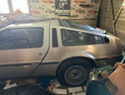
Maria K.
1982 DeLorean DMC-12
August 21, 2024
“Alex made the process of selling my father’s Delorean incredibly easy. Alex and his team took care of most of the details and I was paid immediately. It was a pleasure working with Alex and his team and I would recommend him to anyone wanting to sell a classic car.”
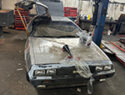
Terence D.
1981 DeLorean DMC-12
April 18, 2024
“It was a pleasure to deal with Alex he made it a very enjoyable experience.”
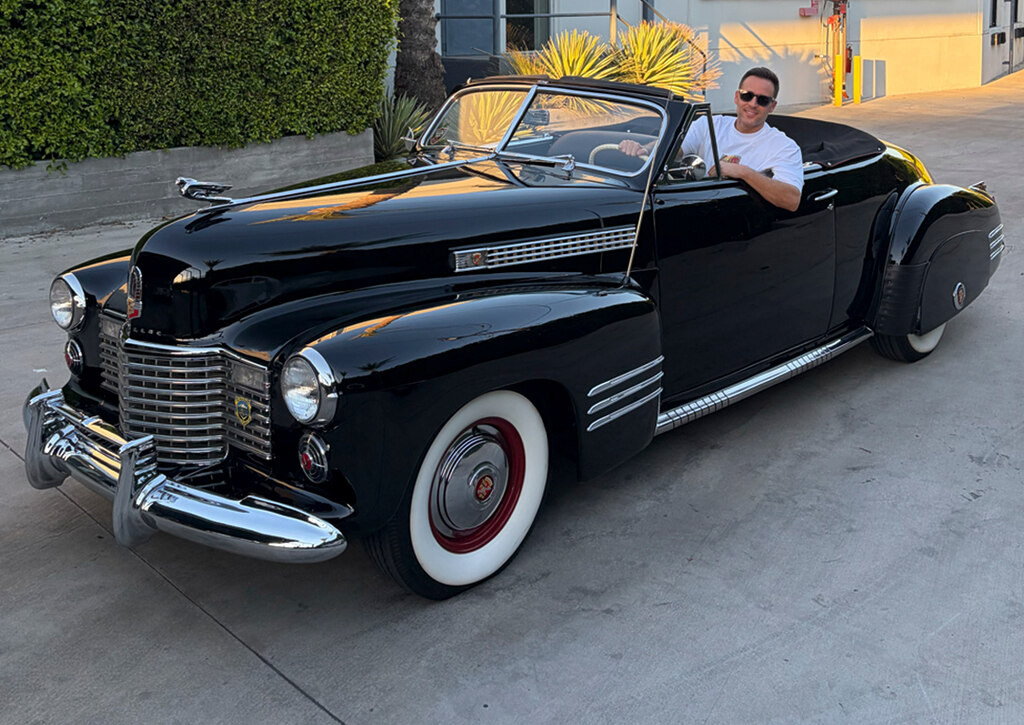

Next Steps?
Call Now
Or email via our website and we’ll go over all you need to know to sell your classic!
Send Photos
Just send a few photos, this is often all we need to make an offer.
Get Paid!
You get paid, and then we’ll pick up the vehicle – IT’S THAT SIMPLE!

Get Started!
Welcome!
join our inventory newsletter
Sign-up for our e-mail alerts
join our newsletter
Sign-up for our e-mail alerts
Learn More
or
we buy classic cars
Looking to sell yours?
Contact us
Sell us your car
Pick up from any USA location - Any condition - Top $$$ Paid


Chat With Us!