 English
 Nederlands
 Français
 Deutsch
 Italiano
 Русский
 Español


There is no other car quite like it. The DeLorean DMC-12 occupies a category entirely its own—part cultural artifact, part automotive curiosity, part engineering statement from one of the most turbulent production stories in American car history. The gullwing doors, the brushed stainless steel body panels, the angular Giugiaro styling: these are not design elements that age into obscurity. They arrest attention in 2025 the same way they did in 1981.

DELOREAN DMC-12, SELLING YOUR CLASSIC CAR
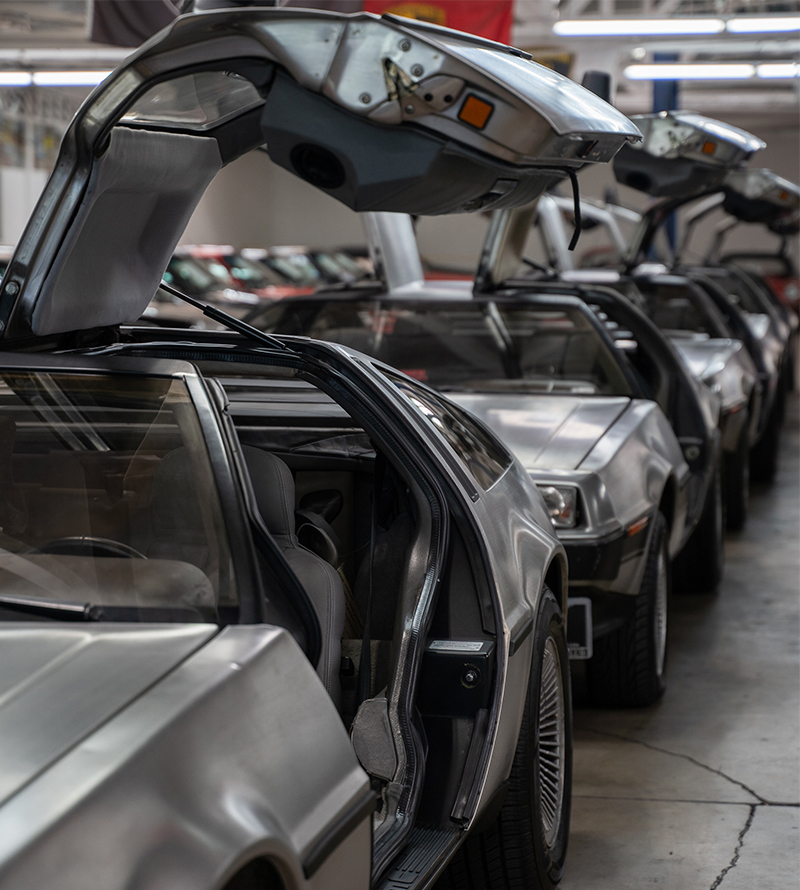
If you own one, you already know that the DeLorean attracts a different kind of interest than most classics. Whether yours is a well-maintained daily driver, a project that’s been sitting for years, or a car pulled from a collection or estate, you’re holding something the market genuinely wants. The question isn’t whether you can sell a DeLorean—it’s how you want to manage the process, and what trade-offs make sense for your situation.
We buy DeLoreans directly. No consignment periods, no reserve-failed auction outcomes, no months coordinating with private buyers who never quite commit. If an offer is made and agreed to, we provide immediate payment and handle all the transaction logistics—paperwork, title transfer, pickup coordination, whatever the situation requires.
Call Beverly Hills Car Club: 310-975-0272
Why Us?
I’ve been buying significant classics since 2004, starting in Los Angeles and expanding to work nationwide—48 continental states and Hawaii. My team has purchased thousands of cars across virtually every make, model, and condition level: running drivers, basket-case projects, estate discoveries, storage extractions, lien complications, title headaches across multiple states.
DeLoreans present specific challenges that general buyers often mishandle. The stainless body creates misconceptions about condition—buyers assume rust-free exterior means a clean car, missing the frame corrosion underneath. The PRV V6 has a reputation it doesn’t entirely deserve, but it does require someone who understands what they’re looking at. I’ve evaluated enough DMC-12s to assess them accurately, which means offers that reflect actual condition rather than optimistic assumptions or unjustified discounts.
What I won’t do: lowball based on manufactured concerns, renegotiate after we’ve agreed on a number, or waste your time with conditional offers that fall apart on inspection. If I’m making an offer, it’s because I want the car at that number. If I’m passing, I’ll tell you directly and explain why.
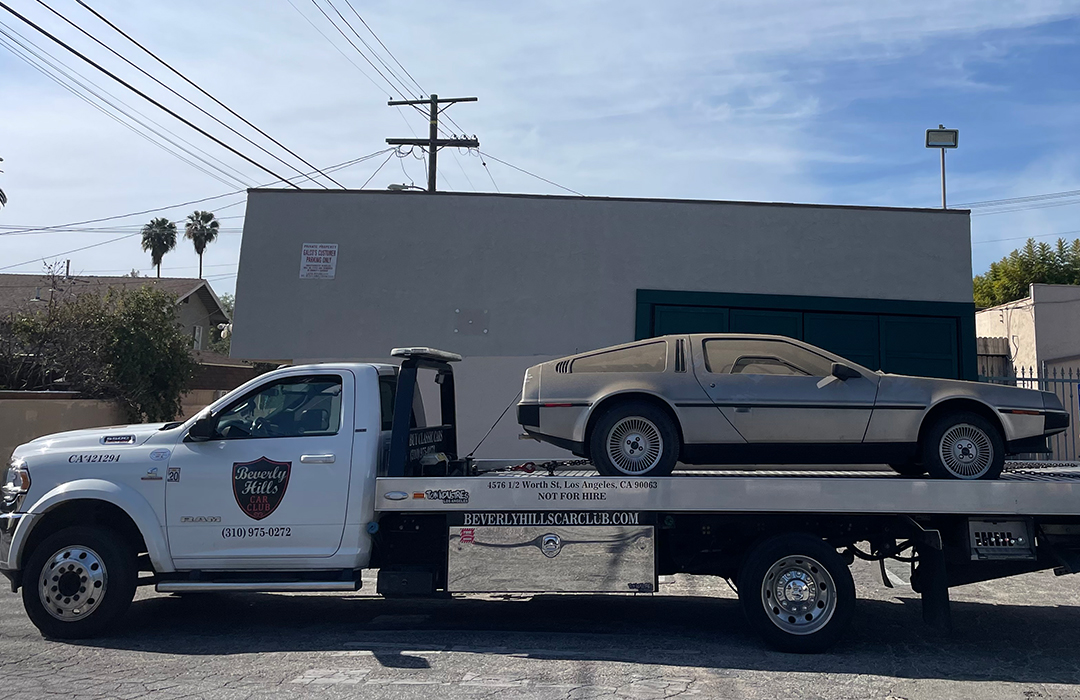
Understanding the DeLorean
John DeLorean’s company produced approximately 9,000 DMC-12s between 1981 and 1983 at its Dunmurry factory in Northern Ireland before the company’s collapse. The car was the only model ever produced, though it went through meaningful refinements across its brief production run.
The PRV V6: The Peugeot-Renault-Volvo 2.85-liter V6 was a shared development that critics found underwhelming. 130 horsepower through a five-speed manual or three-speed automatic—the car was not fast by contemporary standards, and it’s not fast by modern ones. What it is: characterful, mechanically accessible by specialists, and not the liability casual buyers assume. A properly maintained PRV is reasonably durable. A neglected one tells a story in oil leaks, cooling issues, and hesitation under throttle.
Manual versus automatic: The five-speed manual is the driver’s car; the three-speed automatic suits collectors more interested in display than driving. Values between the two configurations are roughly comparable, with the manual commanding a modest premium in enthusiast segments.
Chassis numbers and production sequence: Early production cars (VIN sequences below approximately 2,500) represent first-run examples with some known teething issues addressed in later production. Late production cars—those built in 1982 and 1983 as the company was entering receivership—are sometimes better assembled as the factory workforce became more experienced. Specific VIN history matters for collectors who follow production sequence details.
The stainless body panels: This is the feature that defines the car visually and creates the most persistent misconceptions about condition. The outer skin is 18-gauge brushed stainless steel bonded to fiberglass underpanels. The stainless itself does not rust. What rusts is the epoxy-coated steel chassis underneath—and because the stainless panels look clean indefinitely, frame corrosion can develop invisibly for years. This is the single most important technical reality for any DeLorean transaction.
What drives value within the DMC-12 market: complete, original, well-documented cars with known history command significant premiums over incomplete or heavily modified examples. Documentation matters considerably—original window sticker, owner’s manuals, dealer records, service history. Cars with continuous documented ownership from new bring 15–25% premiums over comparable cars with gaps in provenance. Original, unmodified configuration carries weight, and correct restoration to factory specification with documentation commands more than creative modifications, regardless of execution quality.
Realities Sellers Face
Frame corrosion is the conversation that defines DeLorean transactions. The epoxy-coated steel chassis was appropriate engineering for its era, but the coating deteriorates over four decades, particularly in humid climates and storage situations where moisture accumulates. Unlike the immediately visible rust patterns on conventional cars, DeLorean frame corrosion lives underneath that pristine stainless exterior until someone looks directly at it.
I assess frame condition from photographic evidence and honest description. Surface corrosion and pitting on the frame is manageable and affects pricing incrementally. Structural corrosion requiring professional chassis repair represents more significant expense—frame restoration on a DeLorean can run high for serious work, and I factor that appropriately into offers rather than using it as a reason to walk away.
The PRV engine’s reputation creates pricing friction. Buyers who don’t know DeLoreans hear “French V6” and discount the car significantly. Buyers who do know them understand the engine is serviceable, parts availability has actually improved through specialist suppliers, and a properly rebuilt PRV runs reliably. Engine rebuilds for the PRV typically run $6,000 to $10,000 through experienced specialists. I distinguish between cars needing minor attention, cars needing mechanical restoration, and cars with fundamental issues—and price accordingly.
Electrical systems require realistic assessment. The DMC-12 used more conventional wiring architecture than British cars of the era, but four-decade-old electrical systems develop their own character. Window mechanisms on the gullwing doors are a common failure point; the door mechanisms require specialized knowledge to service correctly. ECU issues affect drivability and are worth noting. I evaluate electrical condition as part of overall assessment, not as a separate disqualifying factor.
Gullwing door mechanisms and seals: The iconic door system is what makes the DMC-12 visually distinctive, and it’s also the system most likely to have developed issues over decades. Door struts, hinge mechanisms, and weatherstripping all degrade with age. Properly functioning doors are part of a complete car; doors that require effort to operate or seal poorly get noted and priced accordingly.
Parts availability has transformed. DeLorean Motor Company of Texas has maintained parts production and supply for decades, meaning mechanical restoration is more viable now than it was in the 1990s. This is meaningful for project car valuation—a disassembled car with documented components and a clear restoration path is worth more than its condition might initially suggest.
Modifications occupy complicated territory. Period owners customized their DeLoreans extensively—stereo systems, interior modifications, non-factory wheels, performance upgrades. Some modifications were executed well and don’t significantly affect collector value. Others compromise originality in ways the market penalizes. I evaluate each car’s specific configuration rather than applying blanket discounts to anything that left the factory.
Estate situations present particular challenges. DeLoreans were bought new in the early 1980s by buyers who are now in their 70s and 80s. Estate sales involving these cars happen regularly, and executors frequently have no knowledge of the platform, the market, or the complications that can arise in transferring title on a vehicle with inconsistent registration history. I work with estates and attorneys regularly, understand probate requirements, and can move on flexible timelines depending on what the estate settlement requires.
Let’s Talk About Your DeLorean!
When you’re ready to sell, The Beverly Hills Car Club wants your business! We pride ourselves on no-hassle service, top prices paid, and immediate payment and pick-up. And be sure to browse the Cars We Love category to explore detailed articles, photographs, and Buyer’s Tips.
Email [email protected]
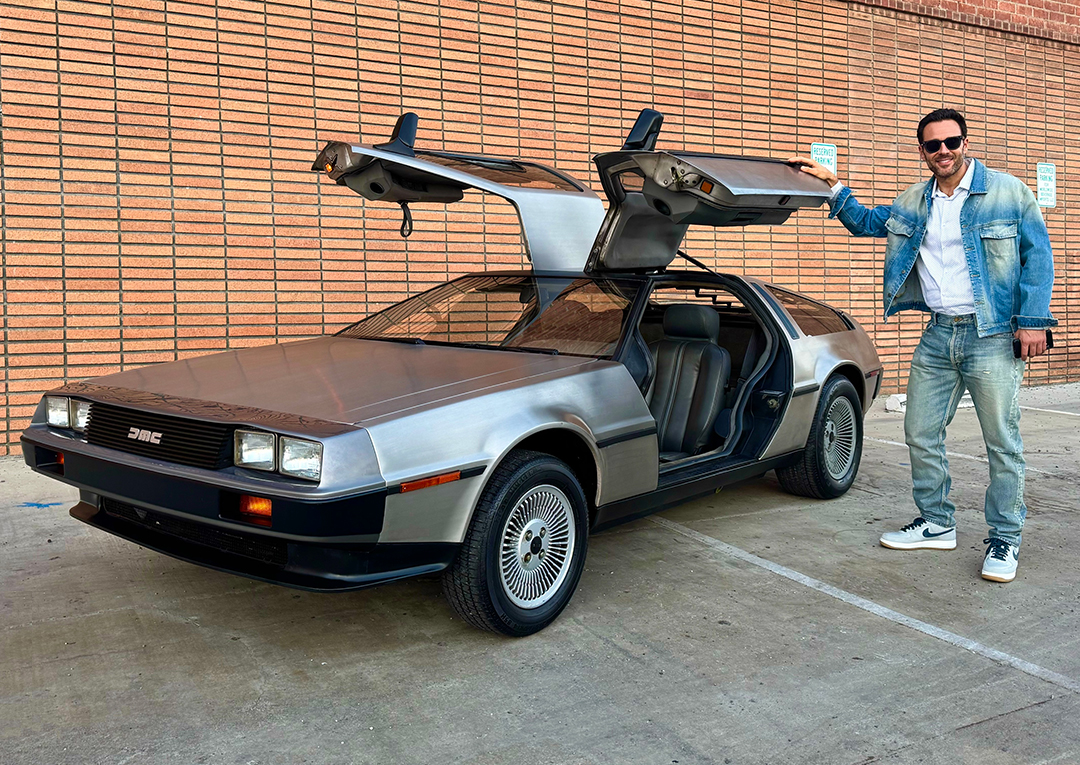
Comparing Options
The auction route. Major auction houses handle DeLoreans periodically, and well-documented, original-condition examples can achieve strong results at the right venue on the right day. The ceiling is real under optimal circumstances—so are the costs. Standard seller’s premium runs 10%, with higher-value cars sometimes reaching 12–15%. Transport to the auction facility adds $2,000 to $5,000. Consignment periods typically run two to four months. If bidding fails to clear reserve, you’ve invested time and real money with no transaction to show for it.
Work the actual math: a $65,000 hammer price minus $6,500 seller’s premium minus $3,000 transport and fees nets $55,500. A direct offer of $58,000 with immediate payment and no deductions looks different once auction costs enter the calculation honestly.
Private listing. Owner-to-owner DeLorean transactions happen, and enthusiast networks for this model are tighter than most platforms—the community is small enough that a well-priced, well-described car reaches serious buyers through forums and specialist groups. The time investment is real, however. You’ll field inquiries from curious non-buyers, tire-kickers, and lowball offers before finding someone qualified and motivated. Expect two to four months of active effort.
Direct sale to Beverly Hills Car Club trades maximum theoretical upside for certainty and speed. If an offer is made and agreed to, you receive a specific number based on current market data and your car’s condition. Payment processes immediately. The transaction completes in days, not months.
Moving Forward: What Happens Next
What I need to evaluate your DeLorean: clear photographs of the exterior from all angles, interior condition, engine bay, and—importantly—whatever’s visible of the undercarriage and chassis. If there are known issues, rust areas, or mechanical concerns, photograph those directly. Honest documentation of problems leads to honest offers; problems discovered later don’t change an agreed number.
Provide the VIN/chassis number, current registration status, and ownership context: how long you’ve owned it, how it’s been stored and used, what mechanical work has been completed, what issues you’re aware of, and whatever documentation you have available.
After you send information, I review materials and respond within 24–48 hours—typically faster. If I’m making an offer, it’s a specific number with clear reasoning behind it. Not a range. Not contingent on a later in-person inspection. If I’m not making an offer, I’ll tell you directly and explain what would make the car more or less marketable.
If an offer is made and agreed to: payment processes same day or next business day. I coordinate pickup around your schedule. Paperwork handles remotely or in person as you prefer. The transaction from agreement to completion typically runs five to seven days, sometimes faster when circumstances require it.
You own one of approximately 9,000 cars that exist. The DMC-12 isn’t going to become more common, and its cultural significance isn’t diminishing. Selling it deserves the same thoughtfulness that owning it required. Send photos and information when you’re ready—I’ll respond with clarity, and we’ll determine the right path from there.
The DeLorean DMC-12 Series
Why Choose Beverly Hills Car Club?
Beverly Hills Car Club has been a trusted name in classic car buying since 2004. We offer fair market valuations, immediate payment, and free nationwide pickup. Whether your DeLorean is a pristine survivor or a project in progress, we have the expertise to assess it accurately and make a genuine offer. No hidden fees, no manufactured delays—just a clean, professional transaction on your timeline.
Ron H.
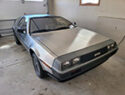
1981 DeLorean DMC-12
March 13, 2024
“We had mixed feelings about parting with our car after over 43 years, but the whole process was quick and easy. Once we came to an agreed price, Alex sent over some preliminary paperwork. Upon completion, he arranged for a wire transfer of the funds into our account on the next business day. He also arranged for one of his crew to stop by the house and pick up the car. The driver was personable, professional and knowledgeable. He helped us complete the paperwork and we handed over the keys. The whole process took less than a half hour.”
Jason J.
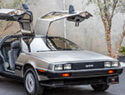
1981 DeLorean DMC-12
October 31, 2023
“Amazing experience! I sent pictures over the weekend and received a personal call from Alex on Monday. He made an offer over the phone, which I accepted the next day. I had my full payment the day after and they picked up the car two days later! So easy and seamless! Thanks Alex!”
Katie C.
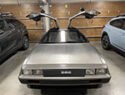
1981 DeLorean DMC-12
August 22, 2023
“Sam was great, friendly and helpful and quick to reply to my emails”
Richard W.
1981 DeLorean
August 7, 2023
“Fantastic very professional i was very lucky that he was my first call!”
John S.
1981 DeLorean
April 13, 2023
“I’m want to commend Alex Manos for his excellent handling of buying my 1981 Delorean, I was amazed at how easy he made this transition, , from purchasing, communicating with me, his patient staff, to the transporter Dan Trevino, I’ve made new friends through this experience. ALEX will make your selling experience unbelievable, Thank you all!”
Next Steps?
Call Now
Or email via our website and we’ll go over all you need to know to sell your classic!
Send Photos
Just send a few photos, this is often all we need to make an offer.
Get Paid!
You get paid, and then we’ll pick up the vehicle – IT’S THAT SIMPLE!

Get Started!
Welcome!
join our inventory newsletter
Sign-up for our e-mail alerts
join our newsletter
Sign-up for our e-mail alerts
Learn More
or
we buy classic cars
Looking to sell yours?
Contact us
Sell us your car
Pick up from any USA location - Any condition - Top $$$ Paid


Chat With Us!