 English
 Nederlands
 Français
 Deutsch
 Italiano
 Русский
 Español


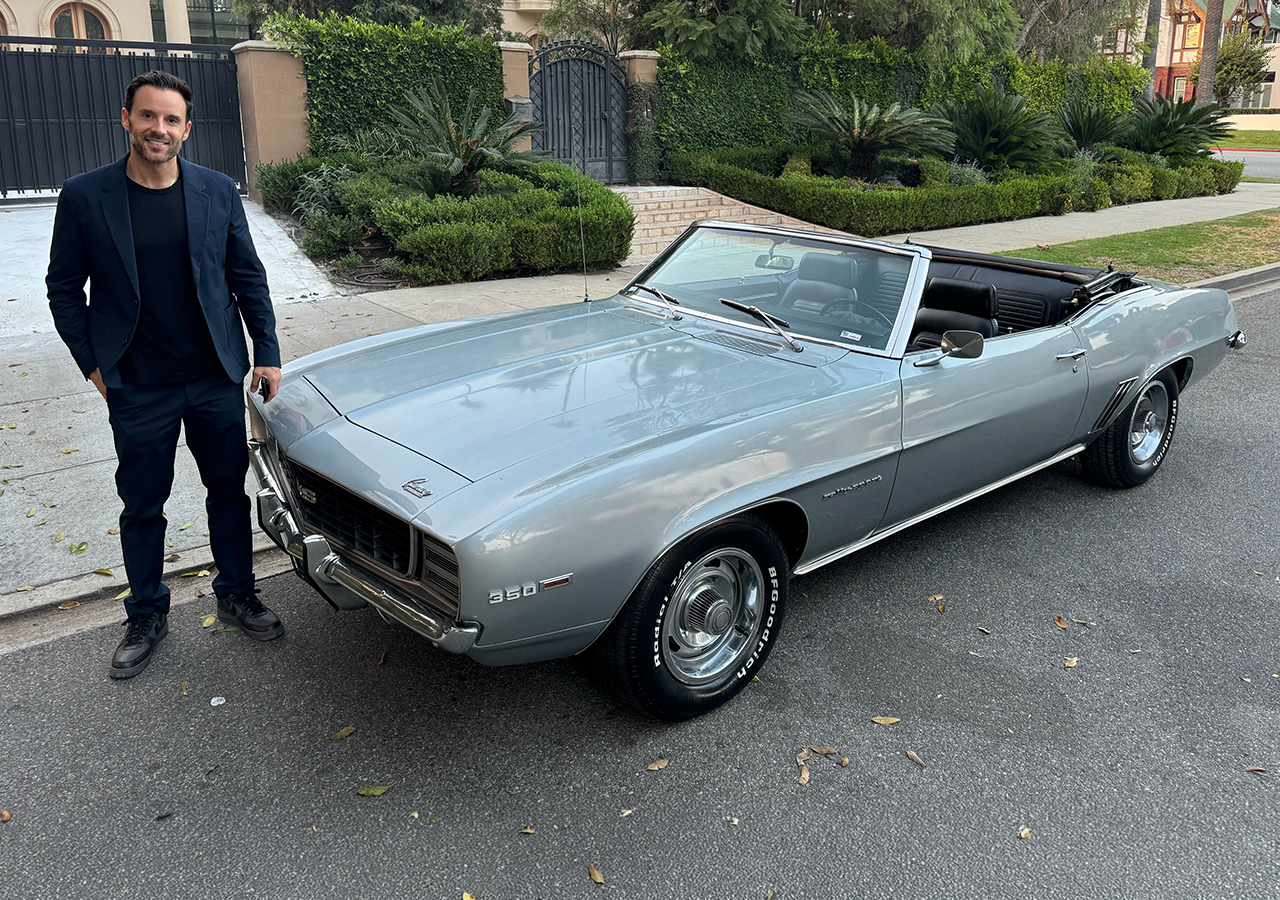
Most people who contact us about a 1967-1969 Camaro are not in a hurry. They’ve owned the car a long time, it’s been under a cover in a garage while life happened around it. What they usually want first isn’t an offer – it’s a straight answer about what the car actually is and where it sits in a market they’ve watched from a distance. The 1st gen Camaro is one of the most heavily traded and debated collector cars in America. Values run across an enormous spread.
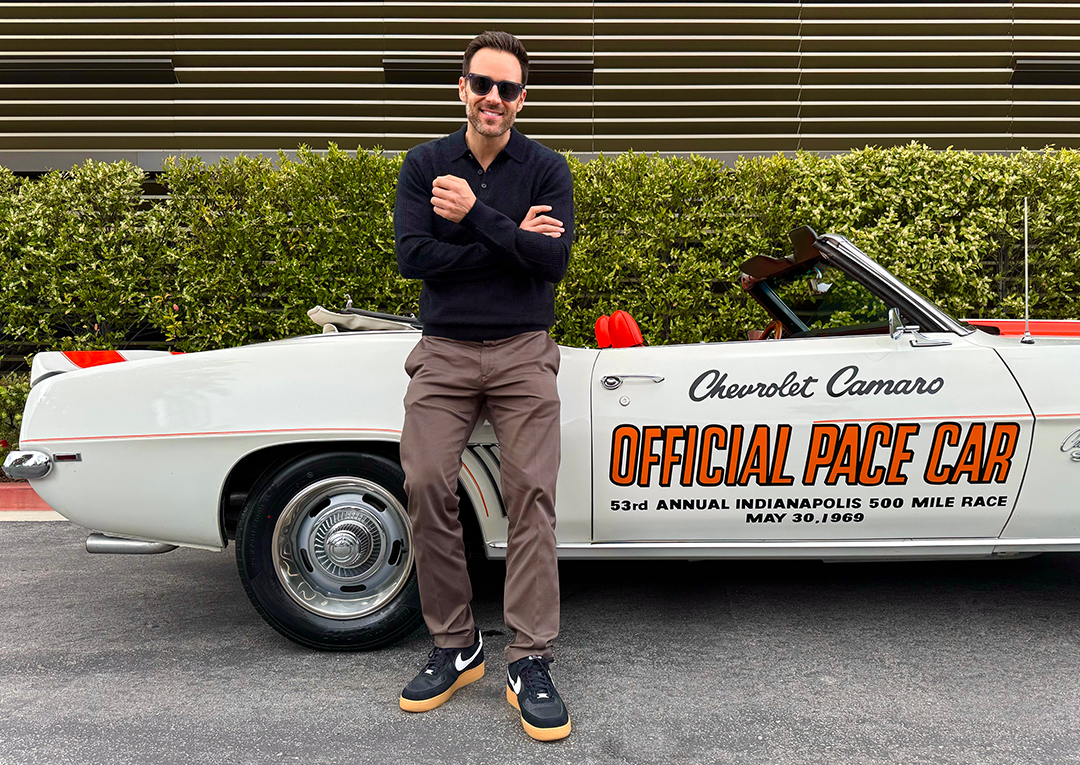
Selling a Chevrolet Camaro First Generation
Beverly Hills Car Club Classic Cars Dealership – we buy nationwide and sell nationally & internationally
Who You’re Dealing With
Alex Manos started buying classic cars in Los Angeles in the early 2000s. Two decades later our team at Beverly Hills Car Club buys cars nationwide – the 48 continental states plus Hawaii – across thousands of makes, models, and condition levels. First generation Camaros are a constant. We’ve bought pristine documented Z/28s, honest base six-cylinder coupes, RS convertibles with forty years of one-family history, and cars that arrived on a rollback in pieces.
We’ve also worked through the situations that surround cars rather than the cars themselves: estate settlements, divorce proceedings, storage facility liens, out-of-state titles, missing titles, and vehicles that haven’t been registered since the Reagan administration.
The Condition Issues That Set the Price
We don’t treat any of this as disqualifying. These are pricing inputs, and we’ve bought cars with every one of them.
Rust follows a script on these cars. The cowl plenum is the one that does the most quiet damage – it traps leaves and moisture and rots from the inside, dumping water into the toe boards, kick panels, and inner rockers. Owners usually notice it as damp carpet and blame the windshield seal. From there: trunk floor and the drop-off panels at the rear corners, the channel below the rear glass (vinyl top cars are the worst offenders), lower quarter panels front and rear of the wheel opening, wheelhouses, inner and outer rockers, floor pans, door bottoms, the tail panel corners, and the rear frame rails where they pass over the axle. The front subframe deserves its own inspection, particularly at the body mount points.
Convertibles carry additional exposure at the torque boxes and the lower A-pillars. On an open car a soft torque box is a structural repair, not a patch, and it changes the number meaningfully.
The reproduction sheet metal supply for first generation Camaros is the best in the hobby – panels, floors, quarters, complete bodies. That means almost nothing is unsaveable. It also means the market has grown sharp about how much original structure remains, and heavy panel replacement is priced as what it is.
Mechanical condition is generally the smaller problem. A tired small block or a slipping Powerglide is routine work with parts availability that’s effectively unlimited, and rebuild costs on these drivetrains sit at the low end of anything in the classic market. Where costs climb: solid-lifter 302 engines needing correct valvetrain and heads, big-block rebuilds where the original block must be preserved rather than swapped, the scarce four-wheel disc brake hardware on the cars that have it, and reassembling factory emissions equipment that a previous owner threw away in 1974 and that now matters to judging and to value.
Modifications get judged case by case. The pro-touring and restomod market for first generation Camaros is genuinely strong, and a well-executed build with quality components and receipts has a real audience. What hurts value is the in-between: a partially finished build, a mismatch of eras, a big-block conversion into a car that was never set up for one, or irreversible cutting on an otherwise original shell. If you kept the original parts, tell us – that frequently matters more than the modifications themselves.
Incomplete projects are welcome. Disassembled cars, bodies on rotisseries, boxes of labeled parts in the corner of the garage. If the significant components are present, we’re interested. If major pieces are missing, we’ll tell you plainly rather than making an offer we’d want to revisit later.
And the part nobody puts in a listing. A lot of these cars have been in one family since they were new, or since a father bought one in 1978 and spent fifteen years on it. Selling can feel like closing something. We’re enthusiasts before we’re buyers, and there’s no version of this where we push you toward a decision you’re not ready to make. If you want to talk through it before you’re actually selling, that’s fine too.
- Chevy Camaro First Generation
- Chevrolet Camaro First Generation hardtop
- Chevy Camaro First Generation convertible
- Chevrolet Camaro First Generation RS
- Chevrolet Camaro First Generation SS
- Chevrolet Camaro First Generation Z/28
- 1967 Chevrolet Camaro
- 1968 Chevrolet Camaro
- 1969 Chevrolet Camaro
- 1967 Chevrolet Camaro hardtop
- 1968 Chevrolet Camaro hardtop
- 1969 Chevrolet Camaro hardtop
- 1967 Chevrolet Camaro convertible
- 1968 Chevrolet Camaro convertible
- 1969 Chevrolet Camaro convertible
- 1967 Chevrolet Camaro RS
- 1968 Chevrolet Camaro RS
- 1969 Chevrolet Camaro RS
- 1967 Chevrolet Camaro SS
- 1968 Chevrolet Camaro SS
- 1969 Chevrolet Camaro SS
- 1967 Chevrolet Camaro Z/28
- 1968 Chevrolet Camaro Z/28
- 1969 Chevrolet Camaro Z/28
Mechanical condition is generally the smaller problem. A tired small block or a slipping Powerglide is routine work with parts availability that’s effectively unlimited, and rebuild costs on these drivetrains sit at the low end of anything in the classic market. Where costs climb: solid-lifter 302 engines needing correct valvetrain and heads, big-block rebuilds where the original block must be preserved rather than swapped, the scarce four-wheel disc brake hardware on the cars that have it, and reassembling factory emissions equipment that a previous owner threw away in 1974 and that now matters to judging and to value.
Incomplete projects are welcome. Disassembled cars, bodies on rotisseries, boxes of labeled parts in the corner of the garage. If the significant components are present, we’re interested. If major pieces are missing, we’ll tell you plainly rather than making an offer we’d want to revisit later.
And the part nobody puts in a listing. A lot of these cars have been in one family since they were new, or since a father bought one in 1978 and spent fifteen years on it. Selling can feel like closing something. We’re enthusiasts before we’re buyers, and there’s no version of this where we push you toward a decision you’re not ready to make. If you want to talk through it before you’re actually selling, that’s fine too.
Us vs. the Alternatives: What Actually Reaches Your Account
You have three real options, and the comparison worth making is between outcomes, not headlines.
Auction. Best-case exposure, especially for documented high-option cars, and the possibility of a result above retail on the right night. The costs are real and mostly fixed regardless of outcome: a seller’s commission commonly around ten percent, transport to the venue, insurance and storage through the consignment period, and a timeline typically running a few months from paperwork to payment. If bidding stalls under your reserve, you’ve spent the money and the months and still own the car. Auction is a strong choice when the car is documented, presentable, and you can absorb the downside.
Private sale. Highest theoretical ceiling and total control. In practice, it’s the option that costs the most in effort. Expect a heavy volume of inquiries, a small fraction of which are serious. Expect to defend the car’s authenticity to every knowledgeable prospect, which on a first generation Camaro is a long conversation. Expect scheduling, no-shows, inspection contingencies, and financing that may or may not materialize. Some owners genuinely enjoy this process. Many start it and finish it with us.
What to Send and What Happens Next
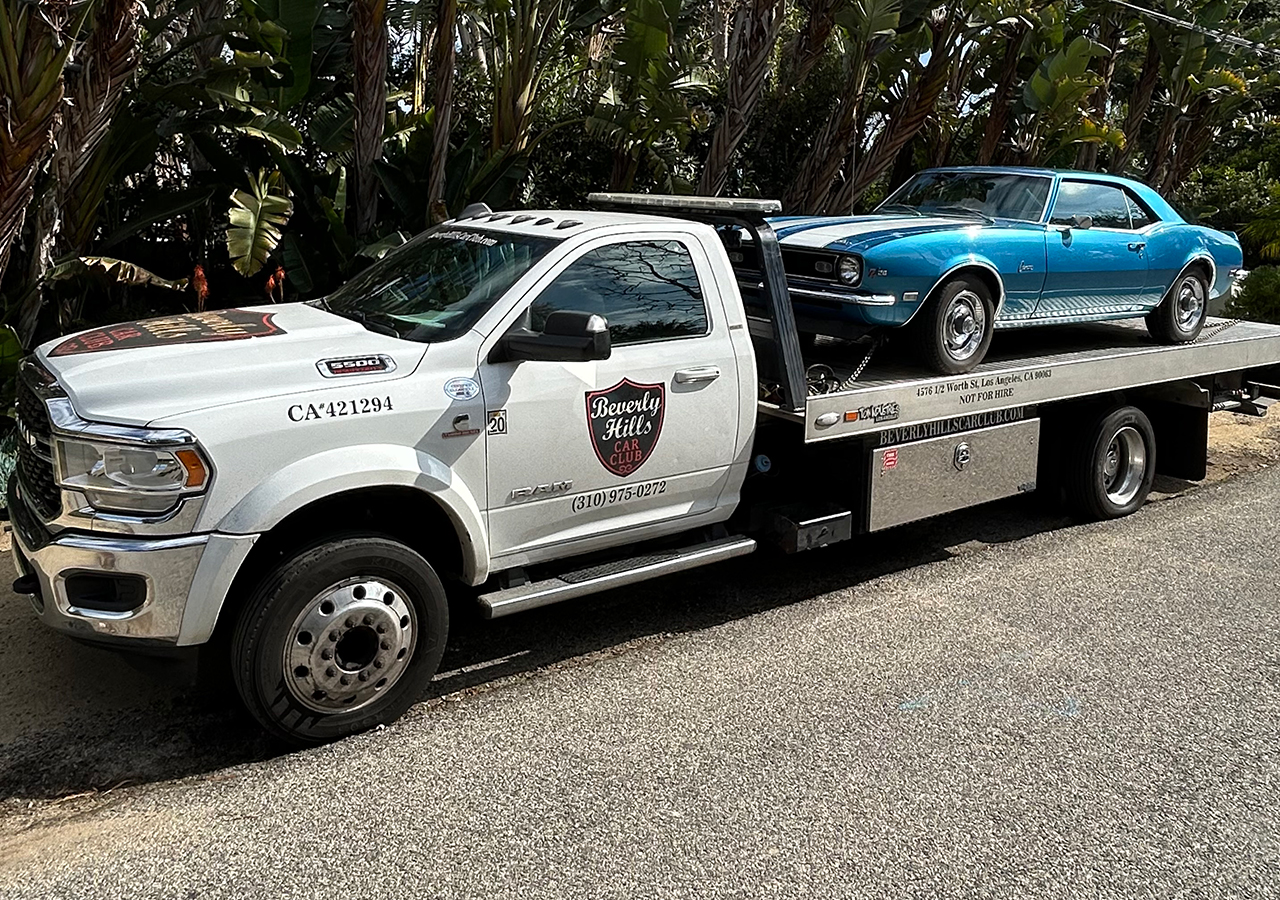
Selling to us. You send information, we assess, and if an offer is made and agreed to, you get a specific number – not a range, not subject to a later inspection changing the terms. Payment is immediate. We arrange transport from anywhere in the country and handle the paperwork, including the complicated versions: liens, missing titles, out-of-state registration, estate documentation, court timelines.
Call Now 888-848-4771
Email [email protected]
Recent Testimonials:
Dennis B.
1953 MG TD
November 23, 2020
“Simple procedure. Just sent pictures, agreed on a price, received a check, sent the title, and someone came to pick up the vehicle. Done!”
Thomas G.
1991 Porsche 964 Targa
November 22, 2020
“It was excellent! The staff are amazing … the cars are the same!”
Glen B.
1996 Porsche 993 Coupe
November 22, 2020
“Very fast offer and check next day very easy to work with.”
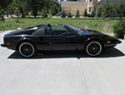
Frank C.
1981 Ferrari 308 GTSI
November 21, 2020
“A very smooth and painless transaction. The check for the sale of the car was forthcoming expeditiously. Transport for the car arrived on time and was completed with no damage to the car. An enjoyable experience.”
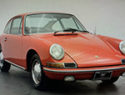
Mart A.
1965 Porsche 911
November 21, 2020
“Very easy transaction, really easy to do busy with plus a very fair priced paid in a prompt manner. I would recommend Beverly Hills motors to anyone who is considering selling their classic car. To sum up it up it is a five star company.”
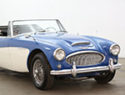
James S.
1964 Austin-Healey 3000 Convertible Sports Car
November 20, 2020
“Attentive, knowledgeable and totally engaged after the sale. Excellent job!”
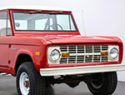
Scott S.
1975 Ford Bronco
November 19, 2020
“Very responsive and detailed. You don’t see that much in the used vehicle market — Great Job Jesse!”
Next Steps?
Call Now
Or email via our website and we’ll go over all you need to know to sell your classic!
Send Photos
Just send a few photos, this is often all we need to make an offer.
Get Paid!
You get you paid, and then we’ll pick up the vehicle – IT’S THAT SIMPLE!

Get Started!
Welcome!
join our inventory newsletter
Sign-up for our e-mail alerts
join our newsletter
Sign-up for our e-mail alerts
Learn More
or
we buy classic cars
Looking to sell yours?
Contact us
Sell us your car
Pick up from any USA location - Any condition - Top $$$ Paid


Chat With Us!