 English
 Nederlands
 Français
 Deutsch
 Italiano
 Русский
 Español


Ask someone to picture a classic Camaro and they’ll almost certainly picture a 1969. The creased flanks, the hunkered stance, the stripes over a cowl induction hood; this is the version on posters, in films, and in the reproduction catalogs. It’s the most recognized first generation car, and generally the most valuable.
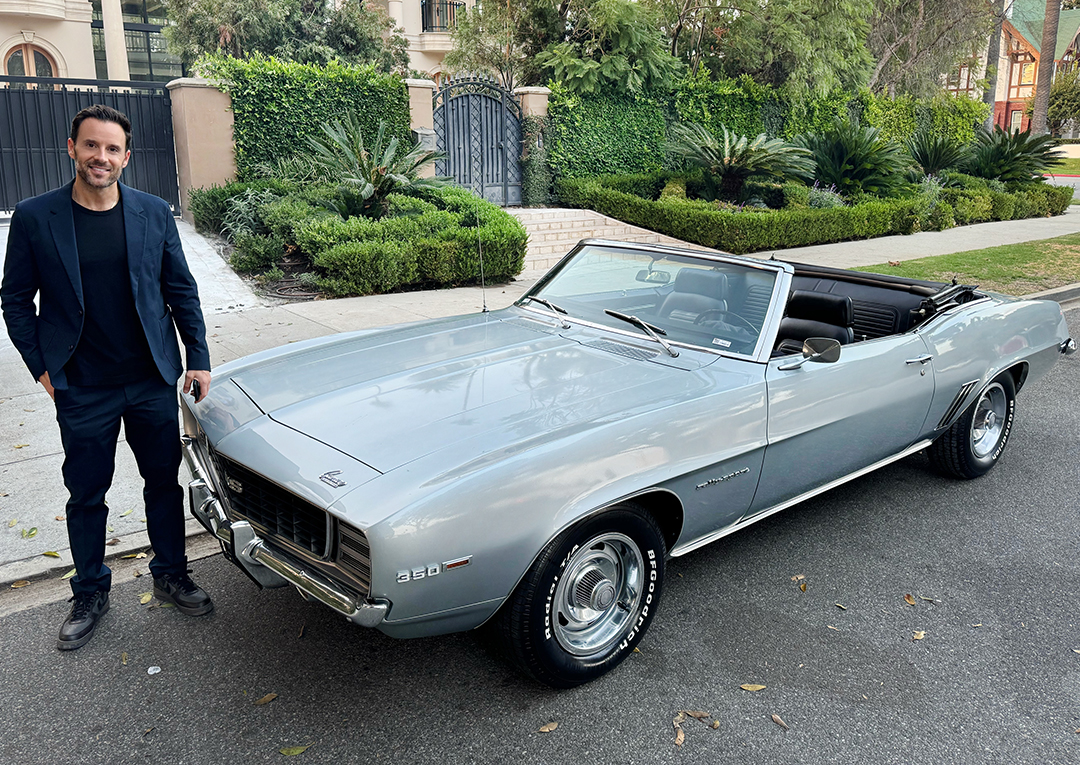
1969 Chevrolet Camaro Buyer, Every Camaro Wants to Be This One
Beverly Hills Car Club – we buy classic cars nationwide
That popularity is also what makes selling one complicated. Because everyone wants a 1969, a great many cars have been built to look like the most desirable 1969s: base coupes wearing Z/28 stripes, six-cylinder cars converted to SS 396 specification, and complete cars assembled around new reproduction bodies. Many are excellent cars. But in this market, the distance between what a car looks like and what it can prove is wider than for almost anything else from the muscle era, and that distance is what sets the price.
Why Us?
We buy 1969 Camaros of every kind: documented originals, honest tributes, restomods, and projects in boxes. This page covers what’s specific to the year, what we verify, how condition affects price, and how each way of selling fits different kinds of 1969s. For most owners, a direct sale gives the best combination of fair pricing, certainty, and speed, and we’ll explain why without pretending the other options don’t exist.
The Longest (model) Year
The spread in 1969 values mostly comes from what was on the original order. These are the options that matter most:
Z/28. By 1969 the Z/28 was a proven Trans-Am winner. It still used the high-winding, solid-lifter 302 with a mandatory four-speed and power front disc brakes, and many cars wore the rear spoiler and Rally wheels. The engine’s “DZ” suffix code has become one of the most-checked stampings in the hobby, because a correct, original DZ 302 in the car it was built for is worth real money over a replacement.
SS 396. The big-block SS came in several states of tune, from the street-friendly versions up to the solid-lifter 375-horsepower engine, which could be ordered with aluminum cylinder heads. Each step up the ladder moves value, and each needs its own verification.
ZL2 cowl induction hood. This hood drew air from the high-pressure zone at the base of the windshield through a flap that opened under full throttle. It was a factory option on SS and Z/28 cars, and reproduction hoods are everywhere. A genuine ZL2 car with supporting documentation is priced very differently from one that simply wears the hood.
JL8 four-wheel disc brakes. This rare option is documented on very few cars, and the correct hardware is scarce. It’s one of the first things we look into when an owner reports it.
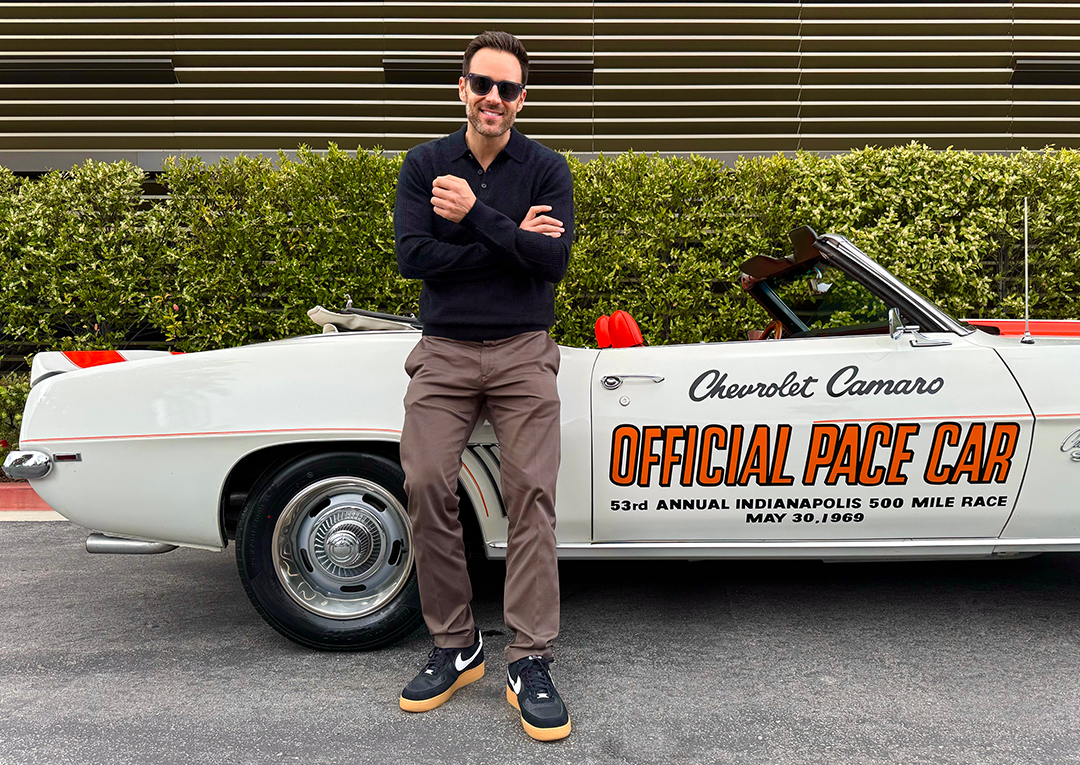
Z11 Indy Pace Car. The Camaro paced the 1969 Indianapolis 500. Chevrolet built a run of Dover White convertibles with Hugger Orange stripes and a distinctive houndstooth interior, along with a smaller number of coupes in the same scheme. Authenticating these cars is a specialty of its own.
COPO 427s. In 1969, the Central Office Production Order system let dealers order factory-built 427 Camaros: the iron-block cars through one COPO number and the aluminum-block ZL1 through another. Yenko and other performance dealers used the program to build their 1969 cars. These are the top of the Camaro market, and paperwork decides everything.
- Chevrolet Camaro First Generation
- Chevrolet Camaro First Generation hardtop
- Chevy Camaro First Generation convertible
- Chevrolet Camaro First Generation RS
- Chevrolet Camaro First Generation SS
- Chevrolet Camaro First Generation Z/28
- 1967 Chevrolet Camaro
- 1968 Chevrolet Camaro
- 1969 Chevrolet Camaro
- 1969 Chevrolet Camaro
- 1967 Chevrolet Camaro hardtop
- 1968 Chevrolet Camaro hardtop
- 1969 Chevrolet Camaro hardtop
- 1967 Chevrolet Camaro convertible
- 1968 Chevrolet Camaro convertible
- 1969 Chevrolet Camaro convertible
- 1967 Chevrolet Camaro RS
- 1968 Chevrolet Camaro RS
- 1969 Chevrolet Camaro RS
- 1967 Chevrolet Camaro SS
- 1968 Chevrolet Camaro SS
- 1969 Chevrolet Camaro SS
- 1967 Chevrolet Camaro Z/28
- 1968 Chevrolet Camaro Z/28
- 1969 Chevrolet Camaro Z/28
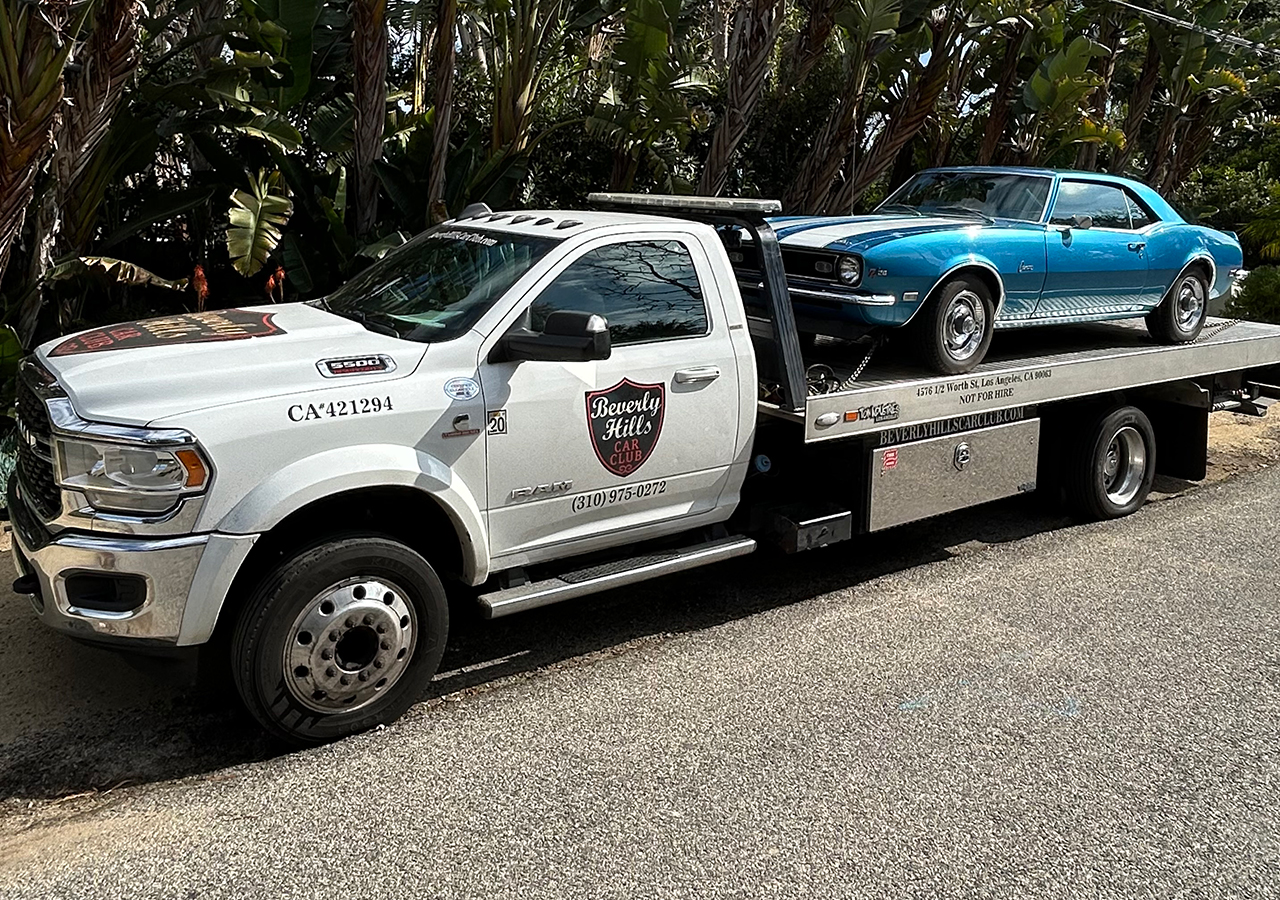
Condition, in Plain Terms
Rust on a 1969 follows the same pattern as the other first generation years, with a few twists of its own. It usually starts at the cowl plenum below the windshield, where leaves and water sit and rot the metal from the inside. That water then runs into the toe boards, kick panels, and inner rockers, which is why a damp carpet on the driver’s side is so often a cowl problem rather than a windshield seal. Next we check the floor pans, the trunk floor and rear drop-off panels, the channel under the rear window (worst on vinyl-top cars), the lower quarters and wheelhouses, the door bottoms, the front subframe at its body mounts, and the rear frame rails over the axle.
Mechanical condition is usually the smaller factor. A tired small block, a worn Turbo 350 or Powerglide, or a noisy rear axle are routine repairs with an effectively unlimited parts supply, and costs stay at the modest end of classic car work. The expensive cases are the specialized ones.
Projects are welcome: bodies on rotisseries, drivetrains on pallets, labeled boxes. If the major pieces are there, we’re interested.
Car Conditions
Rather than claim one route is right for everyone, here’s how the three options tend to fit different kinds of 1969s.
A documented high-end car — a COPO, a Yenko, a Z11 Pace Car, a numbers-matching Z/28 or SS 396 with paperwork. A direct offer from us is a strong alternative even here, especially when certainty and speed matter to you.
A good driver, a tribute, or a restomod. This is where private sale is most tempting and most tiring. You’ll get plenty of interest in a 1969, but much of it will be unqualified. You’ll also have the authenticity conversation with every buyer who knows the year, along with viewings that don’t happen, inspection contingencies, and financing that falls through.
A project, an unrestored survivor, or a car with complications — an estate, a lien, a missing title, missing parts. This is where a direct sale clearly makes the most sense. You send information, we assess the car, and if an offer is made and agreed to, you get a specific number.
What to Send and What Happens Next
The photos that help us most with a 1969:
*All four corners of the car, plus the interior and the engine bay
*The cowl tag, close and legible
*The stamped pad on the front of the engine block, if you can reach it
*The trunk with the mat removed, and the underside if you can safely get to it
*The hood, spoiler, and wheels, if the car has cowl induction, a spoiler, or Rally wheels
*Any paperwork: Protect-O-Plate, invoice, window sticker, build sheet, dealer or COPO records
Include the VIN, how long you’ve owned the car, what work has been done, and what you know needs attention. Photos of the problem areas help us more than photos of the good ones, because they let us get the number right the first time.
Call Now 888-848-4771
Email [email protected]
Recent Testimonials:
William R.
1955 Ford Thunderbird
September 21, 2020
“I found the sale fast and efficient. Their transport driver kept me updated and arrived to pick up my car on time. I definitely would recommend their company to my friends.”
Steven B.
1967 Jaguar XKE Roadster
September 18, 2020
“Alex returned my call in minutes. It was very difficult parting with my father’s 1967 jag. Memories I shared with Alex and he was so kind. The entire process of letting it go into the hands of someone who would restore it made it less painful. Thank you Alex I appreciate you and your staff. Everyone was kind, considerate and professional.”
Bill A.
1967 Jaguar Mark ii
September 17, 2020
“From day one of the sale to the pick up of our 1967 Marc II Jaguar was picked up was a great experience. Any questions we had were answered promptly, with knowledge and courtesy.”
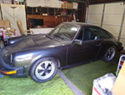
Hy G.
1982 porsche 911sc coupe
September 17, 2020
“When I contacted Alex to sell my late father’s 1982 911SC, I kept thinking Alex seems to be too good to be true. I was half right, Alex is too good, but he was true to his word, played no games and I’m very happy with the offer he made. The smoothest experience I ever had either buying or selling a car. I strongly recommend anyone with a classic car for sale to give Alex a call.”
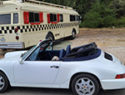
Susan D.
1991 Porsche 964
September 16, 2020
“The experience with Alex was very positive. There were no issues and he gave me a fair price. He and his staff are very easy to work with. I would highly recommend him if you have a car to sell.”
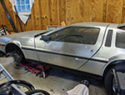
Hal B.
1981 Delorean
September 10, 2020
“I have sold two vehicles to Alex Manos; a 1969 XKE about seven years ago, and a 1981 Delorean last week. Both transactions were smooth and professional. We quickly settled on mutually agreeable prices, and he handled all of the shipping details. Alex would definitely be the first call I would make if I have another classic car to sell.”
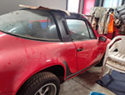
Robert R.
1975 Porsche 911 Targa
September 9, 2020
“From the first call on, everyone was so professional. Would do it all over again.”
Next Steps?
Call Now
Or email via our website and we’ll go over all you need to know to sell your classic!
Send Photos
Just send a few photos, this is often all we need to make an offer.
Get Paid!
You get you paid, and then we’ll pick up the vehicle – IT’S THAT SIMPLE!

Get Started!
Welcome!
join our inventory newsletter
Sign-up for our e-mail alerts
join our newsletter
Sign-up for our e-mail alerts
Learn More
or
we buy classic cars
Looking to sell yours?
Contact us
Sell us your car
Pick up from any USA location - Any condition - Top $$$ Paid


Chat With Us!