 English
 Nederlands
 Français
 Deutsch
 Italiano
 Русский
 Español


Researching Ferrari 330 GT recently sold results? Auction databases, private sale reports, and enthusiast forums tell a consistent story: the 330 series occupies a respected position in the Maranello hierarchy — a genuine Ferrari with genuine provenance, built during the marque’s most consequential decade.
FERRARI 330 GT RECENTLY SOLD: WHAT THE MARKET TELLS YOU — AND WHAT COMES NEXT
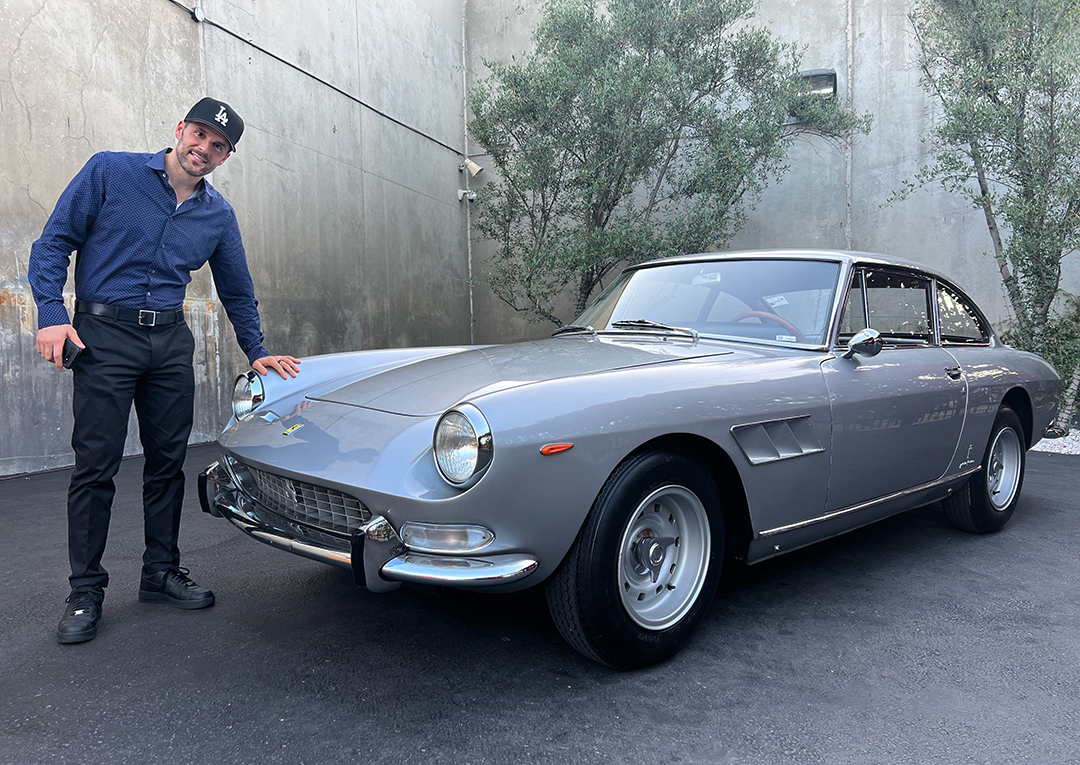
What those recently sold figures don’t tell you is what you’ll actually net after fees, time, and the friction of selling a car at this level. That gap between hammer price and realized outcome is where most sellers find the real decision lives.
We buy Ferrari 330s directly — 330 GT 2+2s, 330 GTCs, 330 GTSs, running cars and projects, documented originals and complicated histories. If an offer is made and agreed to, we provide immediate payment and handle the transaction logistics.
Call Beverly Hills Car Club: 310-975-0272
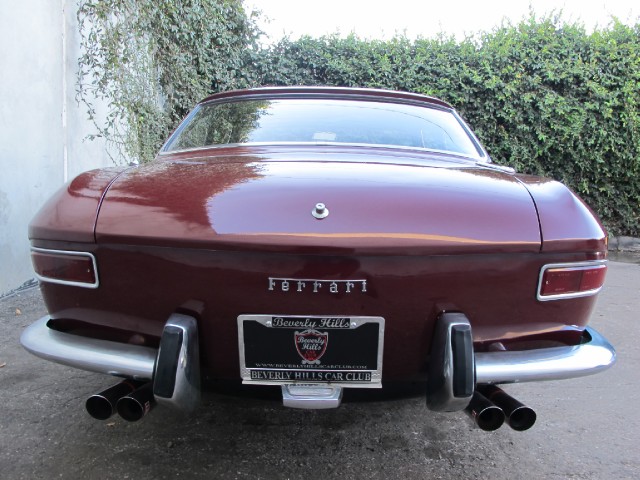
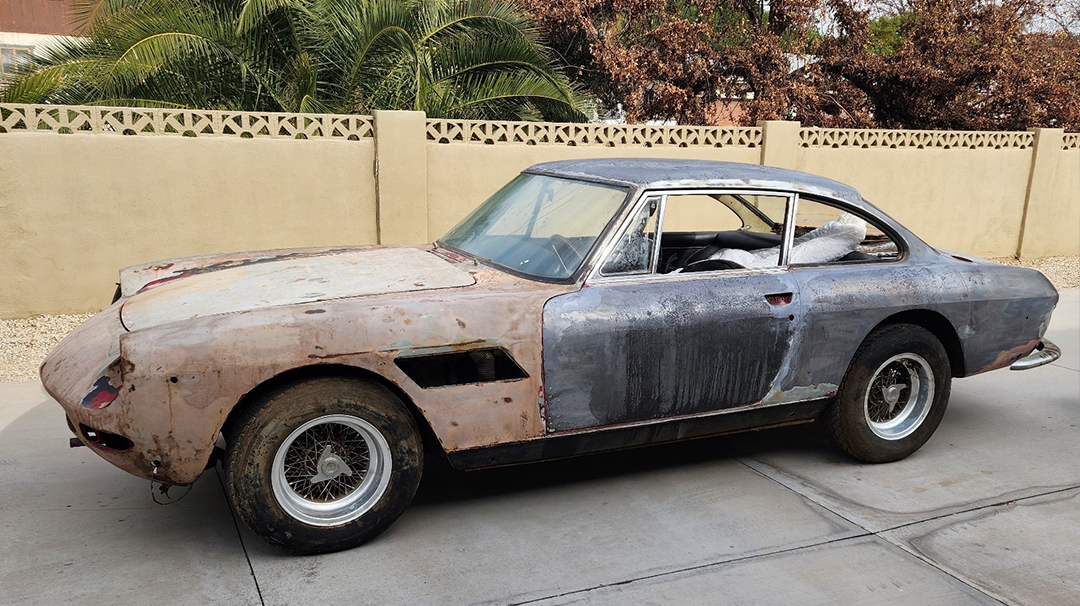
We Buy Ferrari 330 Any Condition
My proposition is direct: fair market pricing based on current transaction data, fast execution on your timeline, and clean handling of whatever complications your specific car presents. I’m not promising the highest conceivable outcome. I’m offering a conclusive one.
For sellers who have done their research — and if you’re comparing Ferrari 330 GT recently sold results, you have — this is the context that matters most. Top dollar paid and immediate transactions fulfill everyone’s priorities, without the overhead of routes that take months to deliver outcomes that aren’t guaranteed.
Why Our Process is #1
I’ve been buying significant classics since 2004, operating out of Los Angeles under the Beverly Hills Car Club. The business began with Italian and European sports cars and has grown through a straightforward reputation: fair offers, no renegotiation after agreement, no lowball tactics designed to manufacture urgency.
My team works across 48 continental states and Hawaii. We’ve purchased thousands of cars across makes, models, and conditions — estate sales where cars have sat untouched for decades, divorce situations requiring neutral third-party assessment, storage lien complications, title issues spanning multiple states, and projects in every stage of completion and disassembly. Ferrari 330s appear regularly in that mix, across all variants and condition levels.
What I won’t do: offer a number and revise it downward once you’ve committed. I won’t manufacture problems during a pre-purchase review to justify a lower payment. If I’m making an offer, it reflects what I’m willing to pay for the car as represented. If I’m not making an offer, I’ll tell you that directly rather than waste your time.

FERRARI BUYER
NATIONWIDE!
TIME TO SELL? We’re classic FERRARI BUYERS and we want to buy your car, regardless of condition, TODAY! As a premiere collector/dealer with hundreds of vehicles in-stock, we’ll give you the best and fastest deal around: RESTORED, PROJECTS & MORE!
Understanding the Ferrari 330 Family
The 330 designation refers to the displacement of each individual cylinder — 330cc — across a 4.0-liter V12, the natural evolution of the 3.0-liter 250 series engine that preceded it. Ferrari produced the 330 family across several distinct body configurations between 1963 and 1968, and the market treats each as its own conversation.
330 GT 2+2 (1963–1967): The most produced of the 330 family, with approximately 1,000 examples built across two series. Series I cars (1963–1965) carried the controversial four-headlight nose that divided opinion at the time and remains a polarizing aesthetic today. Series II cars (1965–1967) adopted a cleaner two-headlight front treatment and are broadly preferred by the market — typically commanding a 10–15% premium over equivalent Series I examples. Both share the Colombo-derived 4.0-liter V12 producing around 300 horsepower, a five-speed gearbox, and the Pininfarina coachwork that gives the 2+2 its grand touring character.
The 2+2 designation is accurate in a period context — rear seat accommodations exist, though they’re honest about their limitations. These are genuinely usable Ferraris. Long-distance capable, mechanically characterful, and carrying Maranello provenance at a more accessible price point than the rarer closed-body variants.
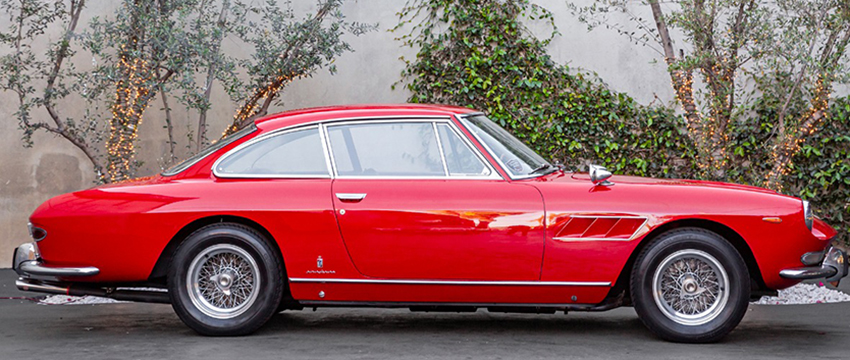
330 GTC (1966–1968): The coupe version, with approximately 600 built, represents the more focused expression of the 330 platform. Same 4.0-liter V12, same five-speed gearbox, but in a two-seat Pininfarina body widely regarded as one of the cleanest designs of the period. The GTC occupies a clear premium tier above the 2+2 — typically 40–60% higher for comparable condition and documentation — owing to lower production, the dedicated two-seat configuration, and stronger collector demand.
330 GTS (1966–1968): The open spider version, with approximately 100 examples produced, carries the scarcest production numbers in the family and the market reflects this accordingly. A well-documented, matching-numbers GTS in driver-quality condition operates in a meaningfully different price tier than its closed siblings. Spider premiums are real and consistent in this segment.
What drives value within each variant: Matching numbers are the starting point. Original engine (confirmed by Ferrari Classiche certification or credible documentation), gearbox, and rear axle with continuous provenance represent the foundation every serious buyer examines first. A matching-numbers 330 GTC with documentation commands 25–35% more than a mechanically identical car with replacement components, often more depending on how complete the paper trail is.
Ferrari Classiche certification — Ferrari’s own factory authentication program — has become a significant value driver for cars where it can be obtained. A certified car with the Red Book carries demonstrable premium and eliminates the uncertainty that shadows undocumented examples. If your car has been through Classiche, that certification is a primary asset in any sale.
Color and specification originality: Factory color combinations, correct interior trim codes, original instrumentation, and unmodified body structure increasingly separate market-leading examples from the field. The buyer pool for 330s has matured, and incorrect restorations or non-factory color changes are now priced for what they are — cars requiring additional work to reach their proper presentation.
Ownership history and documentation continuity: A car that has passed through three careful owners with complete service records commands more than an identical car with a gap-filled history. Invoices, service records, and ownership documentation accumulate into a narrative that buyers are willing to pay for.
What Ferrari 330 GT Recently Sold Data Actually Shows You — and What It Doesn’t
When you research Ferrari 330 GT recently sold results, you’re looking at hammer prices — the number the auctioneer called when the bidding stopped, before any deductions. What that figure doesn’t reflect is the seller’s realized outcome after fees.
The auction route for a Ferrari 330 delivers real exposure to a real buyer pool. Major auction houses present these cars well, catalog them professionally, and draw qualified international bidders. Under ideal circumstances — correct car, right catalog position, competitive bidding environment — you might achieve 10–15% above current strong retail.
The math on that outcome: a $180,000 hammer price carries a seller’s commission of 10–12% at most major houses, plus transport to the auction facility at $2,500–$4,500, plus insurance during the consignment period. If bidding stalls below reserve, you’ve spent two to four months and several thousand dollars with zero sale to show for it.
Private sale offers control and direct conversation with buyers. Some sellers value this — negotiating personally, speaking directly with the next steward, managing the process on their own terms. It is also genuinely time-consuming. A significant Ferrari at this price point requires patient management of inquiries, multiple qualified viewings, pre-purchase inspection coordination, and negotiation that typically opens 15–20% below asking.
Direct sale to me trades theoretical ceiling for certainty. If an offer is made and agreed to, payment wires immediately. Paperwork handles remotely or in person as you prefer. The process from agreement to completion runs days, not months. No fees deducted, no reserve risk, no failed inspections that resurrect dead negotiations.
What Happens Next
If you’re considering selling your Ferrari 330, what I need is straightforward: clear photos of the exterior from all angles in decent light, interior condition, engine bay, undercarriage if accessible, any rust or corrosion areas, and any documentation you have — title, service records, Classiche certification, ownership history.
Include the chassis number, and share whatever ownership context you’re comfortable with: how long you’ve owned it, how it’s been stored and used, what major work has been done, what issues you’re aware of.
I review materials and respond within 24–48 hours, typically sooner. If I’m making an offer, it’s a specific number with clear reasoning — not a range, not contingent on an in-person inspection, not subject to revision once you’ve agreed.
If an offer is made and agreed to, payment wires same day or next business day. Logistics coordinate around your schedule. The process from agreement to completion typically runs five to seven days.
No pressure, no urgency tactics. When you’re ready to move forward, email photos and the chassis number. I’ll respond with clarity and a real number, and we’ll take it from there.
The Ferrari 330 Series
- Selling Your Ferrari 330 GT 2+2
- Selling Your 1964 Ferrari 330 GT 2+2
- Selling Your 1966 Ferrari 330 GT 2+2
- Selling Your 1967 Ferrari 330 GT 2+2
- Selling Your Ferrari 330 GTC
- Selling Your 1966 Ferrari 330 GTC
- Selling Your 1967 Ferrari 330 GTC
- Selling Your 1968 Ferrari 330 GTC
- Selling Your Ferrari 330 GTS
- Selling Your 1966 Ferrari 330 GTS
- Selling Your 1967 Ferrari 330 GTS
- Selling Your 1968 Ferrari 330 GTS
- Selling Your Ferrari 330
Why Choose Beverly Hills Car Club?
Beverly Hills Car Club has been a trusted name in classic car buying since 2004. We offer fair market valuations, immediate payment, and free nationwide pickup. Whether your Ferrari 330 is a pristine concours example, a documented original, or a project in progress, we have the expertise to assess it accurately and make a genuine offer. No hidden fees, no manufactured delays — just a clean, professional transaction on your timeline.
Gerardo B.
1994 Ferrari 348 Spider
September 2, 2024
“Exellent! Eres un genio Adam y una buena representacion de Beverly Hills Car Club”
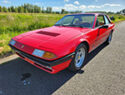
Albert Z.
1985 Ferrari 400i
August 30, 2024
“The entire staff is very knowledgeable and efficient. Alex negotiates quickly and settles the account the same way. These people go right to the point and keep their word. I have used them twice with no problems.”
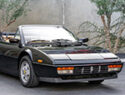
Greg R.
1986 Ferrari Mondial 3.2 Cabriolet
April 24, 2024
“Great fast communication!”
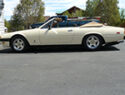
Donald B.
1982 Ferrari 400i Spider Conversion
April 20, 2024
“I had been thinking of selling my Ferrari for sometime, but had reservations about all the work & time required to get the car ready to post a good ad on one of the auction sites. Then I read an article on Hemmings, ” How to Sell a Classic Car That Needs Work”. It made a lot of sense for my particular situation, so I inquired about it. Alex contacted me the same day, we discussed the condition of the car, talked about value, came to mutual agreement with out any arm twisting. The wire was in my account the next day and the car picked up a couple days later. I have no reservations about doing another deal with him on another car that I am looking to sell. It was a positive, professional experience!”
Miguel A.
1982 Ferrari Mondial 8
March 24, 2024
“Working with Alex was an amazing experience. The transaction was simple, straight forward and with no surprises. He is a professional car dealer and enthusiast. He made feel comfortable since we started to talk. I really recommend Alex and his team for selling your classic car. I couldnt have easier for me to sell my Ferrari. He paid me the car right away before even shipping it. He is someone you can trust and his team made the selling experience extremely easy for me. Thank you Alex!”
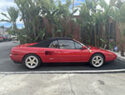
Danny B.
1989 Ferrari Mondial T. Cabriolet
March 20, 2024
“This was my second purchase of a vehicle with Beverly Hills car club and my experience with them is excellent. The staff was very helpful and very knowledgeable. Special thank you to Alex,Ila,John and especially to Valarie for keeping in touch the whole time. God Bless you all and I’ll see you guys on my next purchase!”
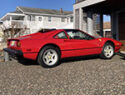
Guido F.
1985 Ferrrari 308GTS Quattrovalvole
March 17, 2024
“My experience with Alex Manos & the Beverly Hills Car Club has been absolutely amazing. I called in & spoke with Alex, I sent him the information along with pictures & videos of the 1985 Ferrari 308GTS Quattrovalvole. Then Alex called me and we negotiated a price over the phone and Alex decided to buy the Ferrari 308GTS from me….immediately we signed a bill of sale and the money was wired to my bank promptly. And several days later the car was picked up from my residence and transported to Beverly Hills Car Club. The transaction was so smooth and Alex Manos and his staff were absolutely wonderful, easy to deal with & extremely courteous and friendly.”
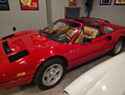
Jamie W.
1985 Ferrari 308 GTS Quattrovalvole
January 21, 2024
“Alex and staff very easy to work with. I was offered a fair price and easy transaction. I would work with them again.”
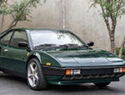
Jeff C.
1982 Ferrari Mondial 8
August 31, 2023
“Great place. Adam was very knowledgable about many cars!”
Michael D.
1984 Ferrari Mondial Cabriolet
August 11, 2023
“Good follow up & attentive.”

Next Steps?
Call Now
Or email via our website and we’ll go over all you need to know to sell your classic!
Send Photos
Just send a few photos, this is often all we need to make an offer.
Get Paid!
You get paid, and then we’ll pick up the vehicle – IT’S THAT SIMPLE!

Get Started!
Welcome!
join our inventory newsletter
Sign-up for our e-mail alerts
join our newsletter
Sign-up for our e-mail alerts
Learn More
or
we buy classic cars
Looking to sell yours?
Contact us
Sell us your car
Pick up from any USA location - Any condition - Top $$$ Paid


Chat With Us!