


 English
 Nederlands
 Français
 Deutsch
 Italiano
 Русский
 Español


SELLING A 1963 GIULIA SPRINT SPECIALE?
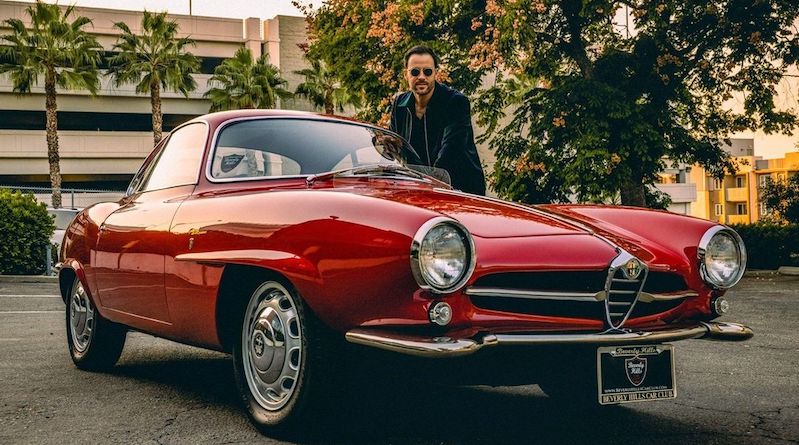
In March of 1963, the bigger engine 1.6L Alfa Romeo Giulia series would replace the widely popular Alfa Romeo Giulietta line at the Geneva Motor Show. The word Giulietta means Little Giulia in Italian; naming the new series the Giulia was a wordplay, claiming that the new car was a more grown-up version of the Giulietta. The 1,570cc engine, which made reaching 120mph possible, featured Weber 40 DCOE2 carburetors that were taken from the Giulia Sprint Veloce and gave the Giulia 112hp. Most Giulia Sprint Speciale models were equipped with disc brakes at the front wheels. If youre looking to buy a 1963 Alfa Romeo Giulia Sprint Speciale, one of the easiest ways to distinguish a Giulia SS from a Giulietta SS is by the dashboard. The Giulia offers a leather underside with the glovebox at a different angle, while the Giulietta is painted in one color without a leather underside. In total, 1,400 Giulia Sprint Speciale models were produced prior to the end of production in 1966.
Why We Love The 1963 Giulia SS
The 1963 model year represents a perfect storm of firsts: the debut of the Giulia SS name, cutting-edge aerodynamics, advanced engine technology, and the transition to modern disc brakes – making it one of the most significant years in Alfa Romeo’s history for collectors seeking automotive milestones.
First Year of Production – Alfa Romeo introduced the 1600cc version of the Giulietta at the Auto Salon Geneva in March 1963, and it would now become known as the Giulia SS. The example offered here is from the first year of Giulia SS production, making 1963 cars the debut year models – always highly prized by collectors.
Development on the Turin-Milan Motorway – The 1963 Giulia SS on display in this exhibition was developed using aerodynamic testing carried out on the Turin-Milan motorway. This makes it one of the first cars developed using real-world highway aerodynamic testing rather than just wind tunnels.
Unique Plastic Wind Deflector – The unique plastic air deflector mounted ahead of the windscreen, which was more commonly seen on competition cars of the era, added to the car’s racy flavour. Distinguishing it at a glance from the Giulietta version Sprint Speciale was the plastic insect screen in front of the windshield.
Revolutionary Drag Coefficient – With a drag coefficient of only 0.28, the 1963 Giulia SS was decades ahead of its time aerodynamically – better than most modern cars and exceptional for the early 1960s.
Twin Weber 40 DCOE Carburetors – With its Weber 40 DCOEs on short trumpets and its four-into-one manifold, this is an engine that really ‘sings’. This racing-derived carburetion system was cutting-edge technology for a road car in 1963.
Lightweight Construction Achievement – The lightweight 950 kg body could be driven at a top speed of 124 mph, representing an exceptional power-to-weight ratio that rivaled purpose-built sports cars of the era.
Hemispheric Combustion Chamber Technology – The new 4-cylinder engine was based on the classic Alfa Romeo design of hemispheric combustion chambers and valves controlled directly by twin overhead camshafts – advanced engine technology that wouldn’t become common until decades later.
Transitional Brake Technology – Four-wheel Dunlop disc brakes and a brake servo were phased in during August 1963, after 22–23 thousand cars had been built. Early 1963 cars had drum brakes, making late-1963 models with disc brakes particularly desirable.
Franco Scaglione Design Legacy – The bodywork was designed by Franco Scaglione at Bertone, the same designer responsible for the legendary Alfa Romeo BAT concept cars. This connection to automotive design history adds significant collector interest.
Debut at Monza Autodrome – The first generation of Giulias appeared in June 1962, making its debut at the Monza Autodrome. The connection to this legendary racing circuit adds to the car’s motorsport heritage and collector appeal.
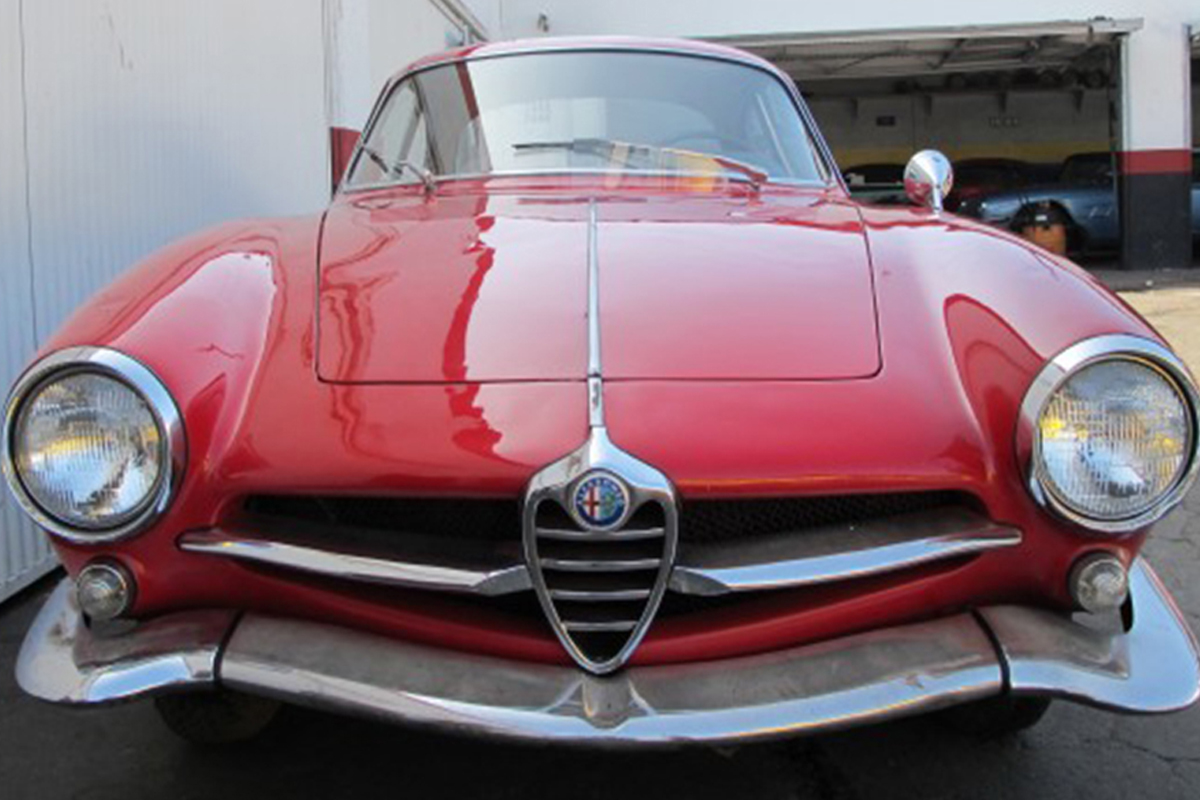
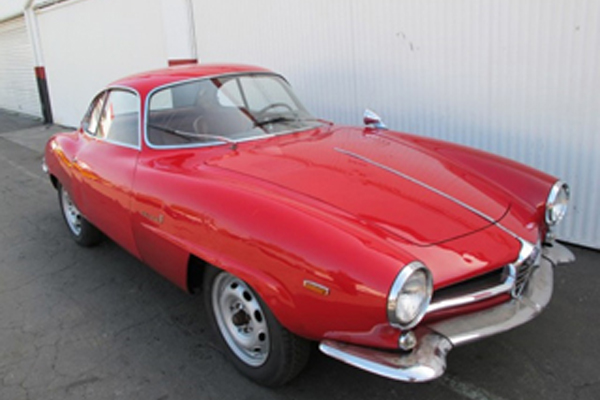

The 1963 Alfa Romeo Giulia Sprint Speciale is a desirable classic car for a number of reasons. During its era, it would become the road-going Alfa model to have. With added engine capacity and an appealing aerodynamic shape, the Giulia SS gave owners effortless high-speed driving experience. The same applies to the classic Alfa Romeo Giulia SS models in todays market. While many buyers prefer a properly restored Sprint Speciale, buyers will find everything from pristine originals to those in need of a complete restoration.
For more information on the 1963 Alfa Romeo Giulia Sprint Speciale, please do not hesitate to browse the resources throughout this website and The Beverly Hills Car Clubs online inventory. Considering selling a Sprint Speciale – Great! Our team can get that deal done today! We’re Beverly Hills Car Club, the largest classic car dealership in the United States! Unparalleled expertise in these rare vehicles, hassle-free sales nationwide. Let’s Talk About Your Classic Alfa, Today!

Learn more about the Sprint Speciale:
Alfa Romeo Giulietta Sprint Speciale
1957 Alfa Romeo Giuletta Sprint Speciale
1958 Alfa Romeo Giuletta Sprint Speciale
1959 Alfa Romeo Giuletta Sprint Speciale
1960 Alfa Romeo Giuletta Sprint Speciale
1961 Alfa Romeo Giuletta Sprint Speciale
1962 Alfa Romeo Giuletta Sprint Speciale
1964 Alfa Romeo Giulia Sprint Speciale
Why Choose Beverly Hills Car Club for Your Sprint Speciale?
Selling your cherished Alfa Romeo shouldn’t be stressful. When you choose Beverly Hills Car Club, you partner with experienced professionals who value your car and your time. Here’s why we are the preferred choice for countless classic car owners:
- We Are Alfa Romeo Experts: With 20+ years focused on classic Alfas, we know the Giulia SS inside and out and understand its current market value.
- Immediate Payment: We offer fair prices and provide immediate payment upon agreement. No waiting for auction results or uncertain private buyers.
- Immediate Nationwide Pickup: We handle all logistics, arranging prompt and professional pickup from anywhere in the US at our expense.
- We Buy “As-Is” in ANY Condition: From concours to project cars, we buy them all. Don’t worry about costly pre-sale repairs.
- Transparent & Public: We are a well-established, highly visible dealership with a strong online presence. You know exactly who you are dealing with – no anonymous buyers.
- No Hidden Fees: Unlike auctions, there are no seller’s commissions or other unexpected charges. The price we offer is the amount you receive.
- Simple, Hassle-Free Process: We make selling easy. Contact us, provide details and photos, receive a fair offer, and get paid quickly while we handle the collection.
Ready to Sell Your Giulia Sprint Speciale the Easy Way?
If you’re considering selling your Alfa Romeo Sprint Speciale, contact Beverly Hills Car Club today for a fast, fair, and no-obligation quote. Let our passion and expertise work for you, ensuring your beautiful classic finds its next home smoothly and profitably.
Call us or visit beverlyhillscarclub.com to tell us about your car!
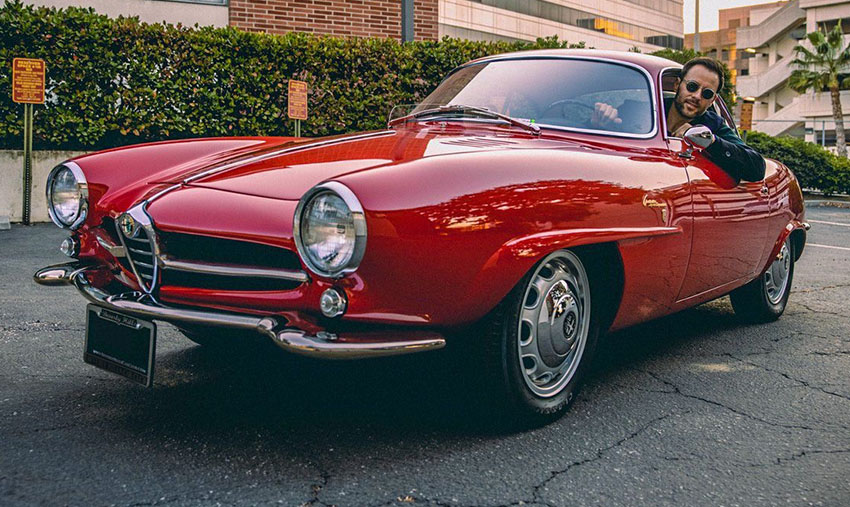
Let’s Talk About Your Sprint Speciale!
When you’re ready to sell, The Beverly Hills Car Club wants your business! We pride ourselves on no-hassle service, top prices paid, and immediate payment and pick-up. And be sure to browse the Cars We Love category to explore detailed articles, photographs, and Buyer’s Tips.
TIME TO SELL? CALL NOW!
888-848-4771
Email [email protected]
Recent Alfa Romeo Seller Reviews:

John P.
1979 Alfa Romeo 2000 Spider Veloce
February 1, 2023
“Professional, efficient, reliable and very friendly and helpful.”
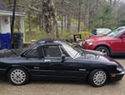
Linda S.
1987 Alfa Romeo Spider Quadrifoglio
January 7, 2023
“Hi I live in CT it was nice to have a kind voice on the phone to handle our transactions for the sale of our Alfa. There are still things that are more valuable than money.,its integrity ,follow through and honoring your word.in all cases thats what sets you apart.I would recommend that anyone looking to sell there special automobile find comfort in working with Alex”
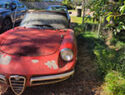
Gary T.
1969 Alfa Romeo 1750 Spider Veloce
December 26, 2022
“Great company, friendly people in every part of the process. Yes I would recommend.”
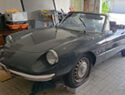
Heather C.
1967 Alfa Romeo Spider Duetto
July 31, 2022
“Sold my car and it honestly couldn’t have been any easier. Alex and team are professionals, everything was done as was said and the whole process was extremely fast.”

Steven E.
1985 Alfa Romeo Spider Veloce
May 31, 2022
“A great experience! Very easy from the beginning to final pickup of my car. Valerie whom was my contact was very accommodating from the start. Most likely I will purchase as well as continue my selling to Beverlyhillscarclub.”
Next Steps?
Call Now
Or email via our website and we’ll go over all you need to know to sell your classic!
Send Photos
Just send a few photos, this is often all we need to make an offer.
Get Paid!
You get you paid, and then we’ll pick up the vehicle – IT’S THAT SIMPLE!

Get Started!
Welcome!
join our inventory newsletter
Sign-up for our e-mail alerts
join our newsletter
Sign-up for our e-mail alerts
Learn More
or
we buy classic cars
Looking to sell yours?
Contact us
Sell us your car
Pick up from any USA location - Any condition - Top $$$ Paid


Chat With Us!