 English
 Nederlands
 Français
 Deutsch
 Italiano
 Русский
 Español


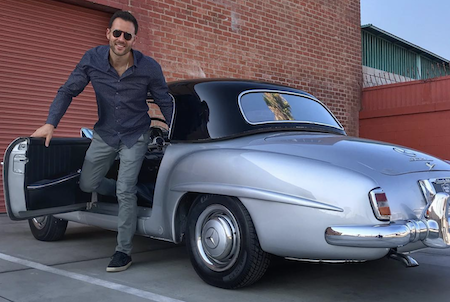
By 1956, the 190SL was no longer a debut — it was a known quantity. Mercedes-Benz had spent its first production year working through the minor refinements that follow any new model introduction, and the 1956 cars reflect that. Carburetion was better sorted. Early production fitment tolerances had tightened. The cars arriving in showrooms in 1956 were, in the plainest sense, the W121 hitting its stride.
1956 MERCEDES-BENZ 190SL, SELLING THAT CLASSIC
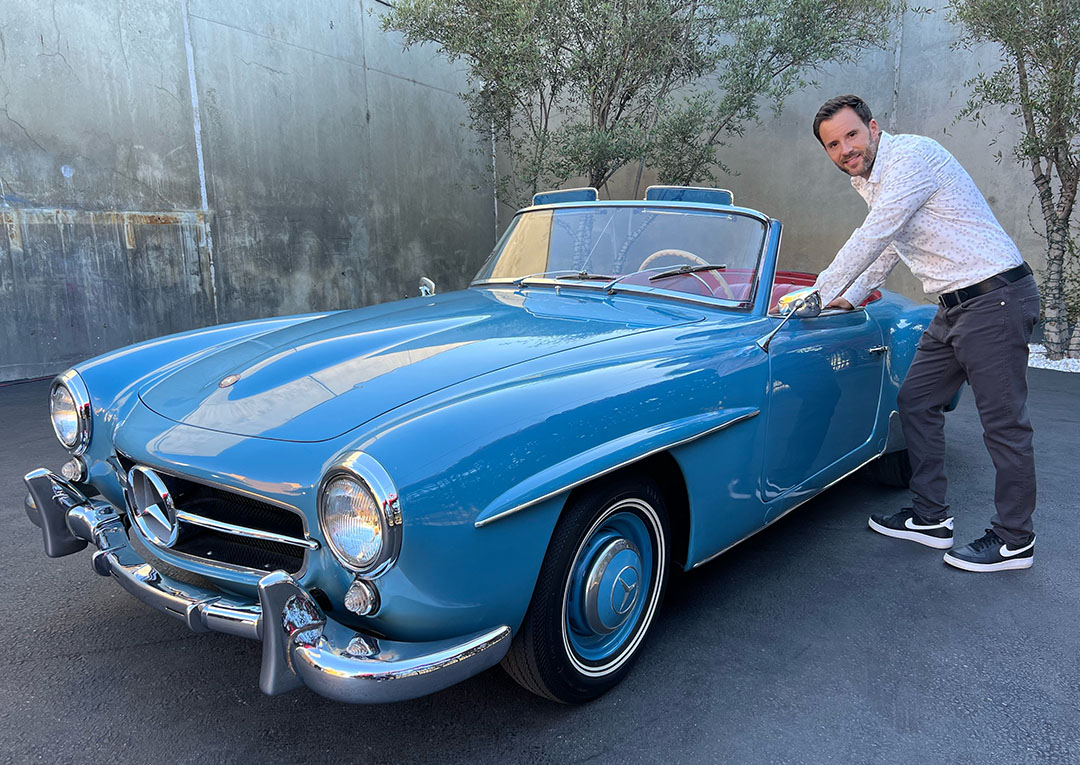
I’ve been buying significant classics since 2004, starting in Los Angeles and operating nationally ever since. I’ve purchased W121s across the full production range and condition spectrum — first-quality roadsters with continuous ownership histories, disassembled projects, estate cars that spent two decades under a cover, and everything between. I buy them directly, I pay promptly if an offer is made and agreed to, and I don’t renegotiate prices once I’ve given my word on a number.
Call Beverly Hills Car Club: 310-975-0272
What the 1956 Cars Are — And What the Market Actually Does With That
The W121 platform that underpins your 1956 190SL was Mercedes-Benz’s answer to a specific problem: customers wanted a roadster with Stuttgart’s name on it but couldn’t justify — or afford — the 300SL. The 190SL delivered that proposition with genuine engineering behind it. Double-wishbone front suspension, a coil-sprung rear axle, and a purpose-built 1,897cc single-overhead-cam four-cylinder make this a proper sports car, not a dressed-up sedan mechanically.
The M121 engine in 1956 specification produces around 105 horsepower through twin Solex 44 PHH carburetors and breathes with a character unique to the platform — a purposeful, mechanical sound that doesn’t sound like anything else from this period. The four-speed manual gearbox requires deliberate technique on first gear, which lacks synchromesh, but behaves entirely normally from second through fourth. Drivers who’ve only owned modern cars occasionally find this startling; drivers who’ve owned vintage European machinery consider it standard procedure.
Both body configurations — the open roadster and the fixed-roof coupe — were available through the 1956 model year. The roadster is the car most buyers picture when they hear “190SL,” and market pricing reflects that consistently. Comparable roadsters sell for 20–30% more than comparable coupes in most transaction categories. The coupe has its own audience: buyers who drive their cars in variable weather, who prioritize the slightly stiffer structure and quieter cruising, and who aren’t interested in paying a premium for open-air motoring they won’t regularly use. Neither configuration is obscure or hard to move — they just find different buyers at different price points.
The factory hardtop complicates this somewhat, in the best possible way. A 1956 roadster equipped with its matching original factory hardtop — retained with the car through its history and documented as such — commands more than the same car without it. The hardtop was a factory option, many were separated from their cars over the decades, and buyers who understand the W121 assign real value to original, documented hardtop-and-roadster pairs.
The value variables that matter most in a 1956 190SL:
Matching numbers on the engine and gearbox remain the single largest binary factor in valuation. A 1956 roadster with verifiable matching numbers occupies a different tier than an otherwise identical car with a correct-specification replacement engine. Original factory color is increasingly meaningful as the market matures. The 190SL was offered in a thoughtful palette through its production run, and certain combinations — Silbergrau over red leather, Elfenbein over tan, Blauschwarz over pale blue — carry stronger collector preference than others. A 1956 car in a documented, original desirable color with matching interior specification presents differently than a car that’s been resprayed in an off-catalog color, regardless of how carefully the repaint was executed.
Provenance continuity tells a story buyers pay for. A 1956 190SL with documented ownership from an early date — particularly one that stayed within a family or region and accumulated a coherent service record — commands more than a car with an equal number of owners but a patchy, reconstructed history.
The Condition Conversation — Before You Talk to Anyone Else
A 1956 190SL is approaching seventy years old. The condition conversation is, in many ways, the only conversation that matters before any question of selling method or price makes sense. Understanding what you have — honestly — protects you from being surprised later, and it determines what path to market actually fits your situation.
Rust is structural on these cars. The W121 uses unit-body construction, meaning the body is the structure — there’s no separate ladder frame underneath absorbing the loads. That makes the sills, floor pans, and windscreen mounting points load-bearing elements, and they rust. On a 1956 190SL specifically, the locations that demand honest assessment are: inner and outer sills, floor pans and footwells, the battery tray area (positioned behind the right front wheel, where battery acid and trapped moisture combine over decades), trunk floor, lower door bottoms, and the windscreen frame surrounds. Surface corrosion that looks alarming is often cosmetic. Structural rust that’s been filled, painted over, or concealed under fresh undercoating is a different matter entirely.
I don’t use rust as a reason to pass on a car. I use it as a factor in determining what a car is worth in its current state. A 1956 190SL needing significant structural work gets priced to reflect that reality; a car with solid structure gets valued for it.
The twin Solex carburetors are the mechanical variable most likely to affect a test drive. Sellers occasionally assume their 190SL has an engine problem when what they actually have is a carburetor problem — lean mixture, out-of-sync throats, worn accelerator pump diaphragms. The 44 PHH units are not difficult to rebuild for someone who’s done them, but that person isn’t at every independent shop.
Modifications read differently depending on their nature. A five-speed conversion with the original gearbox retained and documented is a different story than an irreversible drivetrain swap. Electronic ignition upgrades and improved cooling additions, properly executed, are sympathetic to the platform. Significant departures from factory specification — incorrect engine transplants, heavily modified bodywork, non-original interior configurations — reduce the buyer pool and the price accordingly. I evaluate these case by case rather than applying blanket rules.
When the Situation Is More Than Just the Car
Not every 190SL sale is straightforward. The car is simple; the circumstances surrounding it sometimes aren’t.
Estate situations are common with cars of this age. A 1956 190SL that belonged to someone who bought it new or shortly after, preserved it across six decades, and left it to heirs who’ve never handled a vintage car transaction — that scenario reaches my desk regularly. I understand probate timelines, I know what documentation executors and estate attorneys need, and I can operate on whatever schedule the legal process requires. When closure is urgent, I move quickly. When the estate needs time, I wait.
Divorce situations create a different kind of urgency. The car becomes a shared asset neither party wants to remain shared, and what both parties need is a fair, neutral assessment and a transaction that concludes cleanly. One offer, one number, immediate payment that divides without ongoing dispute.
Storage liens and complicated titles don’t deter me when the car itself warrants the effort. A 1956 190SL that’s been in a facility for a decade with accrued charges, a title in another state or another name, or registration that’s lapsed entirely — these situations stop most buyers cold. Navigating lien resolution, multi-state DMV coordination, and title complications is part of how I operate, not an exception to it.
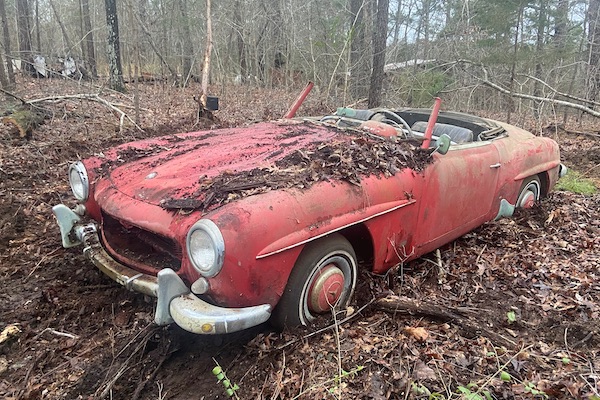
Stalled restoration projects are worth a direct conversation. If the car is disassembled, partially completed, or missing components, I want to know what’s there and what isn’t before either of us draws conclusions. Projects with major components present and documented work completed have real value; I’ll tell you honestly what I can offer and why.
Three Selling Paths, Honestly Described
Auction consignment is the right answer for some 190SLs and some sellers. A first-quality 1956 roadster with strong documentation, original matching-numbers specification, and a compelling history can perform at Gooding, RM Sotheby’s, or Bonhams when the right bidders are in the room. The upside potential is genuine.
Private listing through Bring a Trailer, Hemmings, or direct advertising connects your 190SL with an engaged, knowledgeable audience. This path rewards sellers with time, patience, and genuine enthusiasm for managing the sales process. The trade-offs are real: you’ll field a significant volume of inquiries from buyers who don’t complete, schedule showings that don’t materialize, and navigate offers that arrive contingent on financing or inspection results that may or may not hold.
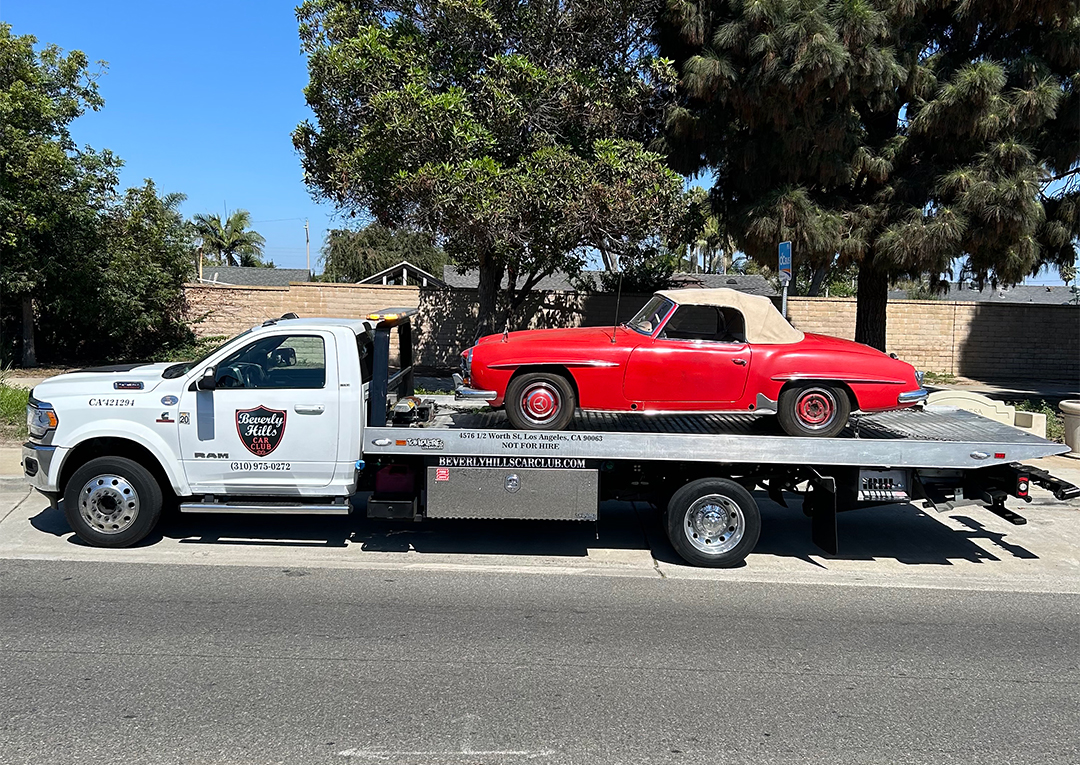
A direct offer from Beverly Hills Car Club converts that uncertainty into a specific number, arrived at through current market data and an honest assessment of your car’s condition. Top dollar paid and immediate transactions — if an offer is made and agreed to, payment is wired and logistics coordinate around your schedule. The transaction completes in days rather than months.
I’m not claiming my number will match what a perfect auction result produces under ideal circumstances. What I’m offering is a known outcome: a fair number, quickly delivered, with professional handling of every step from agreement through title transfer. For sellers who’ve made the decision to sell and want the process to be clean rather than complicated, that proposition is straightforward.
Send Photos and Let’s Talk
Getting to an offer is simpler than most sellers expect. What I need: clear photographs of the car as it actually is — exterior from all angles in good light, interior, engine bay, trunk, undercarriage if accessible, any rust or damage areas, the soft top and hardtop if both are present. Honest photos, not curated ones.
Along with the photos: the chassis number from the firewall, any documentation you have (title, Kraftfahrzeugbrief, service records, restoration receipts, prior appraisals), and context about the car’s situation — how long you’ve owned it, how it’s been stored, what work has been done, what you’re aware of that might affect value.
I respond within 24–48 hours, often sooner. If I’m making an offer, it’s a specific number — not a range, not contingent on coming to see the car in person. If I’m not making an offer, I’ll explain why directly rather than leave you with a vague non-answer.
If an offer is made and agreed to, payment wires promptly. Logistics and paperwork complete on your timeline. The whole process from handshake to conclusion typically runs five to seven days.
When you’re ready to move forward, send what you have. We’ll go from there.
Ready to Sell Your 1956 Mercedes-Benz 190SL?
Send photos and basic information about your car to [email protected] or call us directly at 310-975-0272. We’ll respond within 24–48 hours.
Mercedes-Benz 190SL Series
- Selling Your Mercedes-Benz 190SL
- Selling Your 1955 Mercedes-Benz 190SL
- Selling Your 1957 Mercedes-Benz 190SL
- Selling Your 1958 Mercedes-Benz 190SL
- Selling Your 1959 Mercedes-Benz 190SL
- Selling Your 1960 Mercedes-Benz 190SL
- Selling Your 1961 Mercedes-Benz 190SL
- Selling Your 1962 Mercedes-Benz 190SL
- Selling Your 1963 Mercedes-Benz 190SL
Why Choose Beverly Hills Car Club?
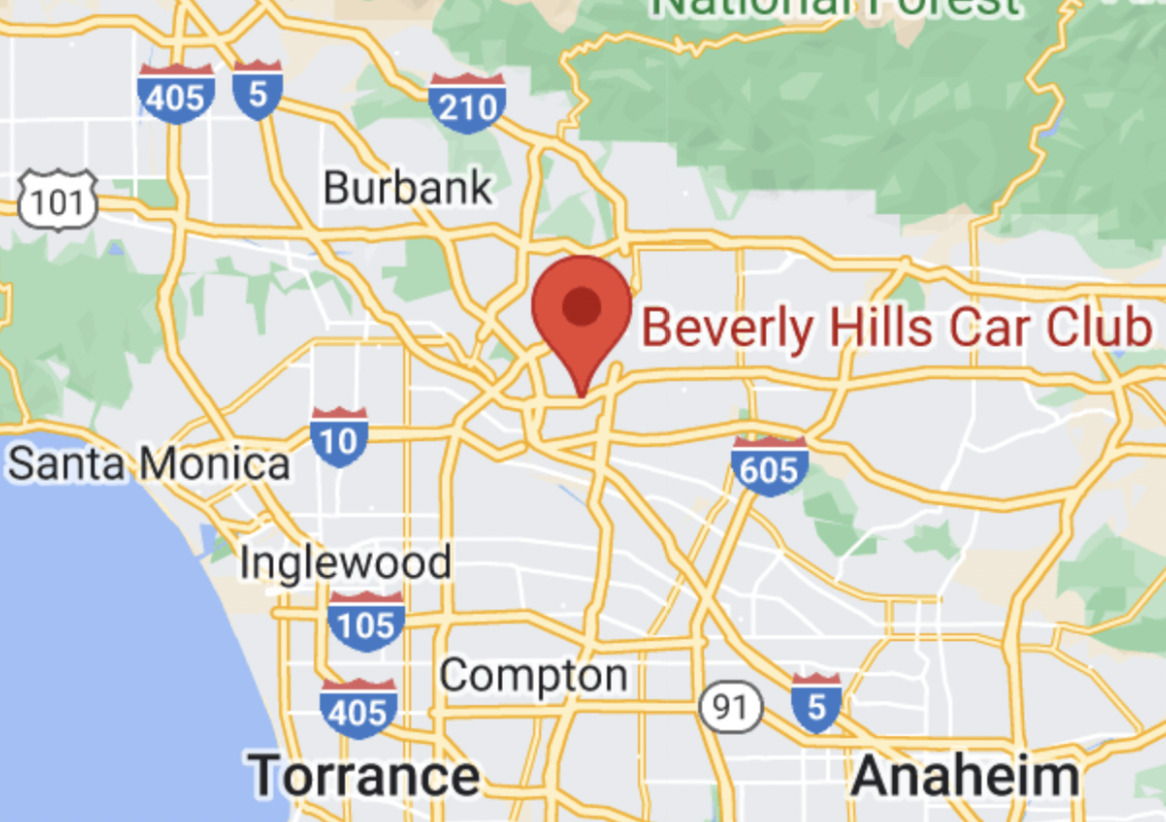
Beverly Hills Car Club has been a trusted name in classic car buying since 2004. We offer fair market valuations, immediate payment, and free nationwide pickup. Whether your 1955 190SL is a pristine matching-numbers survivor, a driver-quality roadster, or a project awaiting completion, we have the expertise to assess it accurately and make a genuine offer. No hidden fees, no manufactured delays — just a clean, professional transaction on your timeline.
William P.
1967 Mercedes-Benz 250SL California Special
April 14, 2021
“I was considering selling my 1967 Mercedes 250SL and decided to call Alex Manos as I have seen his ads. Wasn’t sure about selling when I called but Alex made the process so easy and offered a fair price without any hassles. Thank You.”
Mike A.
1968 Mercedes-Benz 250SE Sunroof Coupe
April 8, 2021
“Very helpful! Very knowledgeable! Very busy on the day we were there! What an awesome assemblage of classic cars! A highlight on our short trip to Southern California.”
Bill P.
1967 Mercedes-Benz 250SL California Special
April 5, 2021
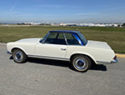
“My compliments to Alex Manos! The experience was professional, very easy and fast. The transporter was also very prepared and professional and thorough, just a very easy process and I highly recommend these folks.”
Michael M.
1962 Mercedes-Benz 190SL
April 3, 2021
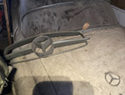
“I had a 62 Mercedes 190 SL That I had inherited from my father. The car looked to me to be in deplorable condition. I found an ad online from Alex Manos about wanting vintage vehicles like mine. After talking to Alex personally he was interested and wanted pictures of the vehicle. I sent him some pictures and he contacted me back and was interested in the car. He made me an extremely fair offer in my opinion and was very fast in sending a purchase agreement/ bill of sale and wired the money ASAP. He and his staff made the whole experience very easy on me and were very professional in every aspect of the deal. Alex is definitely a man of his word and a fair person to deal with. If I ever come across another vehicle he might be interested in I wouldn’t hesitate to deal with him and his staff again. Thank you Alex. I’m very pleased and impressed with every aspect of dealing with you and your staff.”
Jimmy F.
1968 Mercedes-Benz 280SL
March 28, 2021
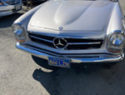
“Everything was great. The vehicle inspector was on time and very professional and knowledgeable. Alex’s office sent me my money into my account immediately and the funds were there 2 days before the car even left my property. Office staff sent me an email as to what to sign and where. Have done business with Alex before and nothing but smooth sailing from beginning to end.”
Brian L.
1986 Mercedes-Benz 560SL
March 26, 2021
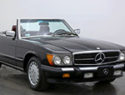
“Perfect experience. Class act and amazing for a first time buyer.”
Becky U.
1960 Mercedes-Benz 190SL
March 11, 2021
“Selling my classic car to Alex Manos was the easiest thing I’ve ever done! I sent him pictures, he called me, and the deal was done over the phone. The money was in my account the next business day and the car was picked up a few days later. His assistant Roxanna walked me through the signing process which I really appreciated. I would highly recommend Alex and Beverly Hills Car Club to anyone looking to sell or buy a classic car.”
Gary K.
2000 Mercedes-Benz SL500 Designo Edition
March 7, 2021
“Alex was prompt, efficient, and candid. We were able to reach an agreement in 2 phone calls. And the payment and pick-up could not have been easier.”

Carolanne F.
1965 Mercedes-Benz 220SEB Cabriolet
March 5, 2021
“My experience with Alex and his staff at Beverly Hills Car Club was excellent. We agreed on a price for our 1965 Mercedes SE and within hours the transaction was signed, funds wired into our account and out of state pickup was the next day. Selling our classic car to BH Car Club was pure ease and we couldn’t be more pleased.”

Next Steps?
Call Now
Or email via our website and we’ll go over all you need to know to sell your classic!
Send Photos
Just send a few photos, this is often all we need to make an offer.
Get Paid!
You get paid, and then we’ll pick up the vehicle – IT’S THAT SIMPLE!
Get Started!
Welcome!
join our inventory newsletter
Sign-up for our e-mail alerts
join our newsletter
Sign-up for our e-mail alerts
Learn More
or
we buy classic cars
Looking to sell yours?
Contact us
Sell us your car
Pick up from any USA location - Any condition - Top $$$ Paid


Chat With Us!